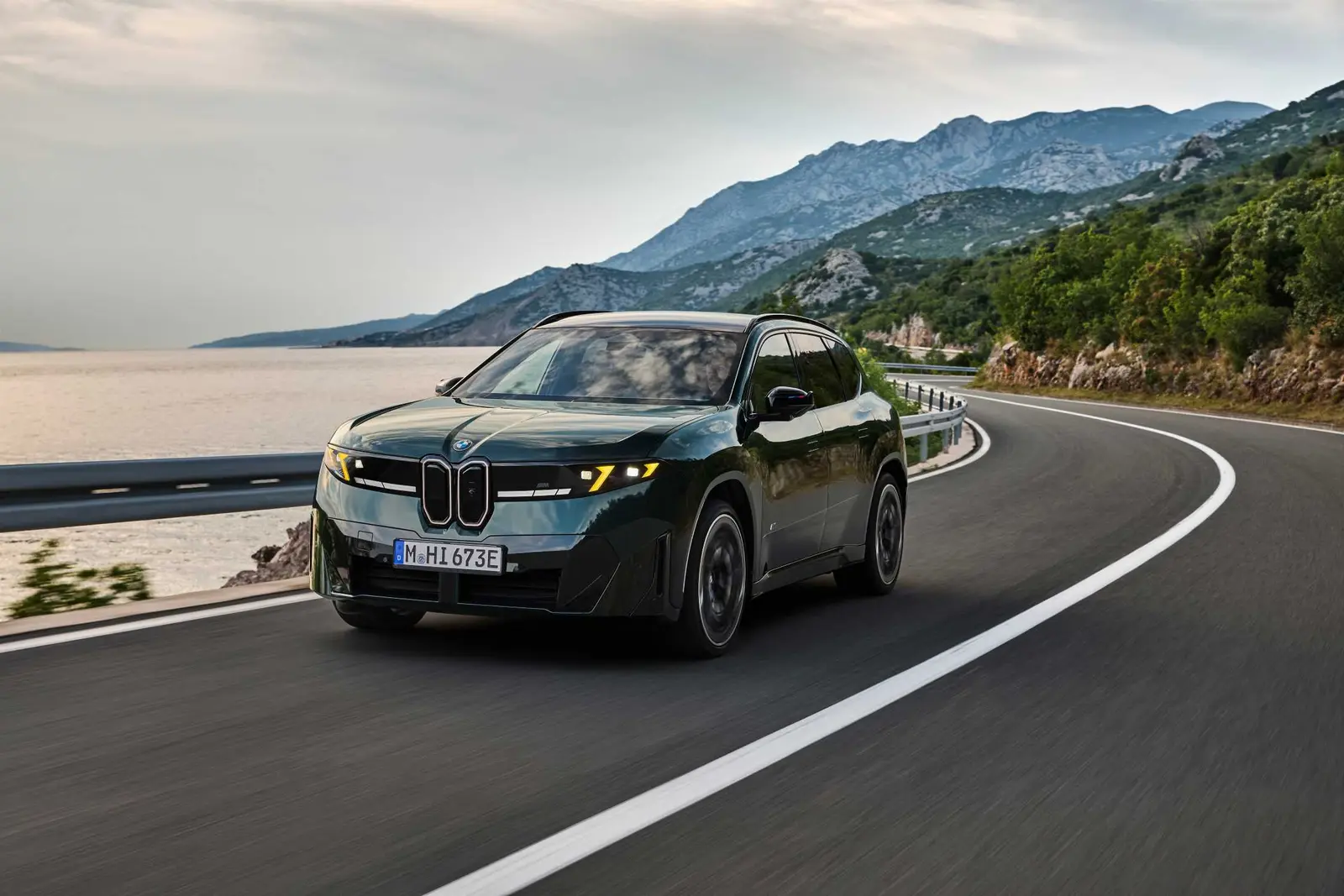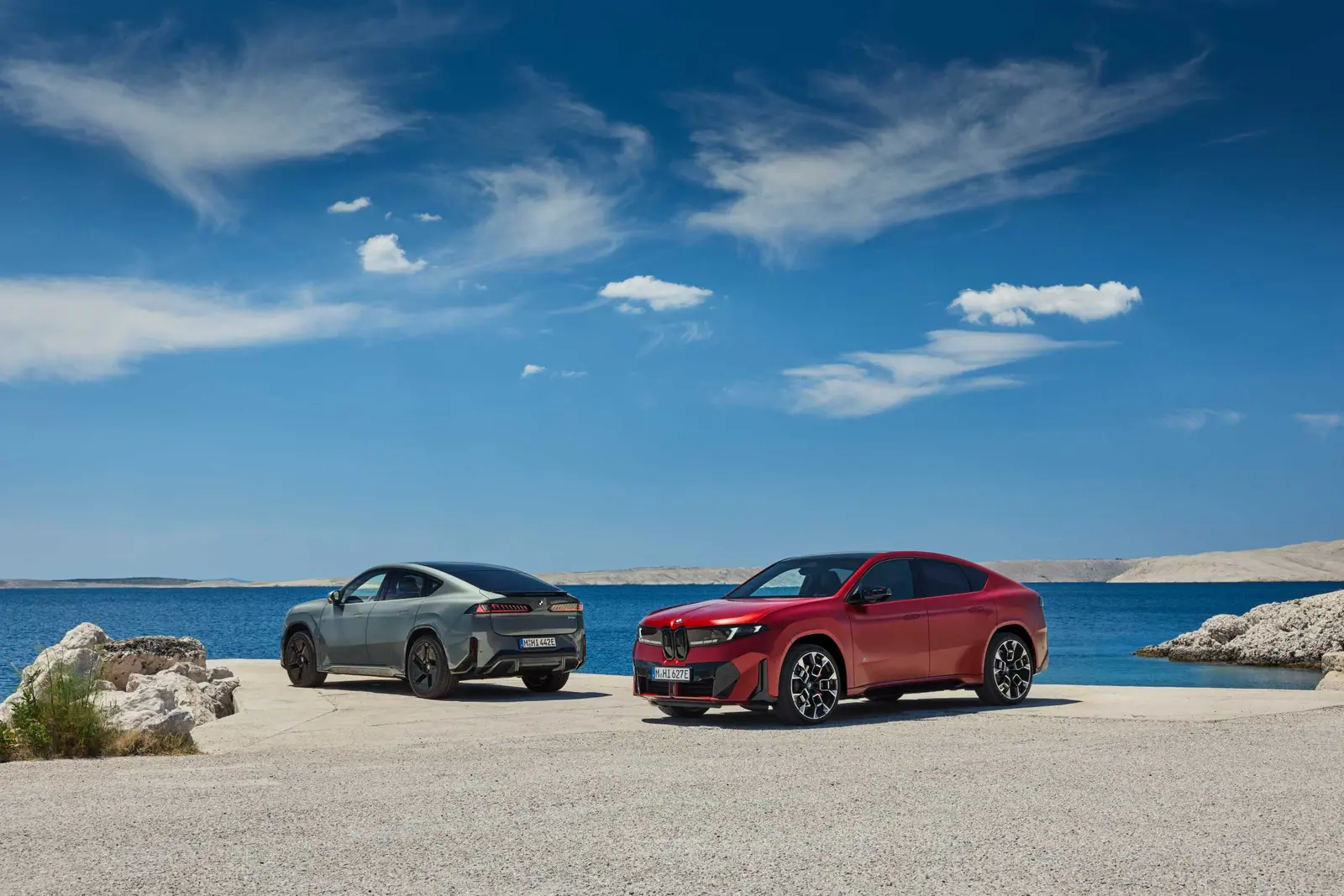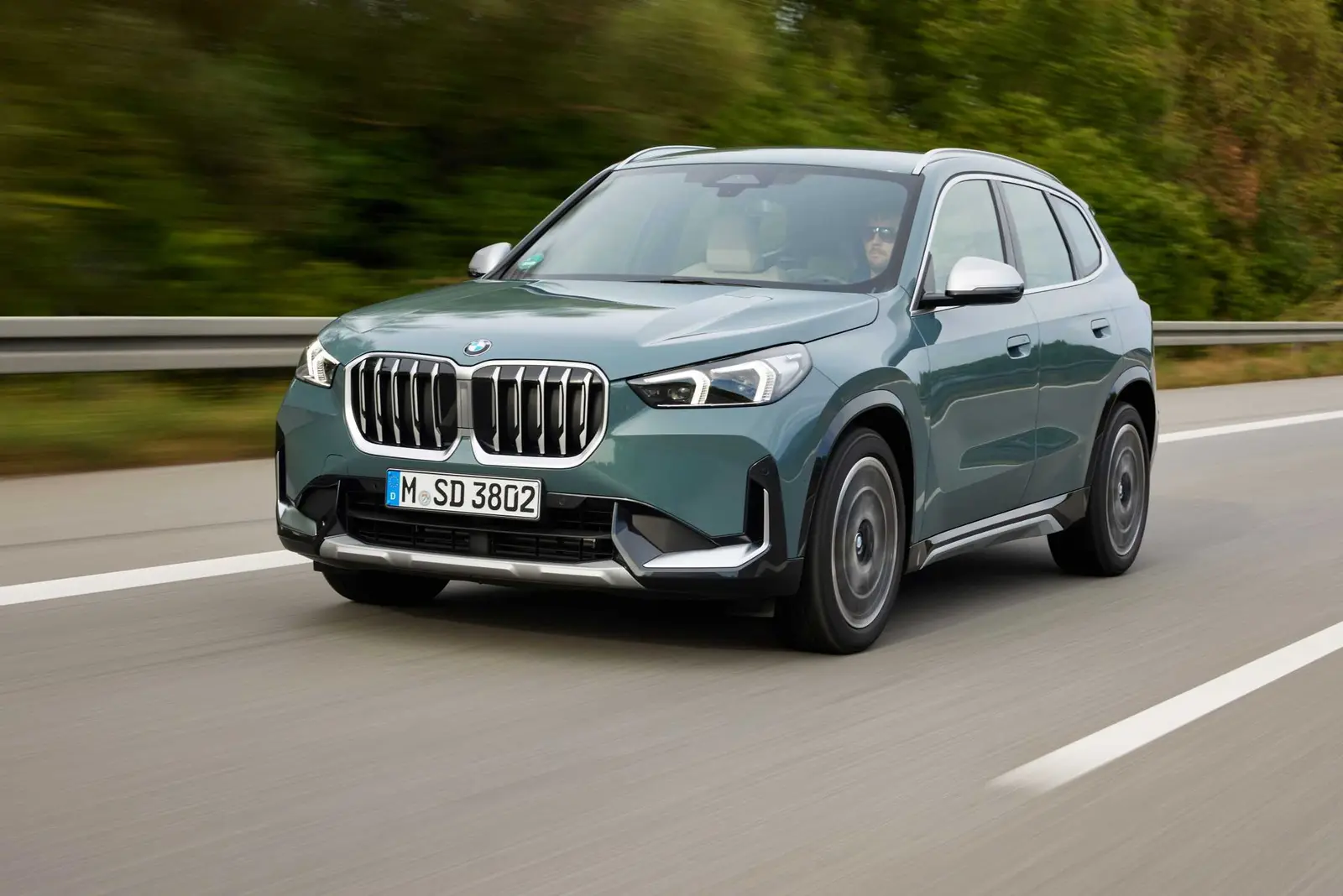
BMW Group says a European test fleet of more than 600 diesel BMW and MINI vehicles has run mostly on HVO, a renewable diesel, for 12 months. In more than 80 percent of the 5,500 refuelling events recorded, the car was verifiably filled with HVO. The trial is happening in Europe only, and the company has not said anything about Canada or the United States.
The company reported these interim results in October 2026. The fleet began in October 2025 at the Fleet Europe Days trade show in Luxembourg, and the cars have since worked in the corporate fleets of the BMW Group, Bosch in Germany, Eni in Italy and Repsol in Spain.
What did BMW’s HVO fleet test find?
The headline finding is that BMW’s tracking method works and produces reliable data. BMW’s powertrain chief, Dr. Martin Kaufmann, said the technical feasibility of a fleet that runs only on eligible fuels is proven. That is the company’s view, and it is also the argument BMW is making to European policymakers.
The figures BMW published:
- More than 600 BMW and MINI diesel vehicles in four countries
- More than 5,500 refuelling events with the fuel type accurately detected
- Approximately 235,000 liters of HVO refuelled
- HVO verifiably used in more than 80 percent of refuelling events
- No hardware changes to the vehicles and no new infrastructure at fuel stations, according to BMW
BMW calls the vehicle category “VEEF”, short for Vehicles Exclusively running on Eligible Fuels. The idea is that a fleet owner could show, with data, that its diesel cars only burn renewable fuel.
How does BMW know which fuel went into the tank?
BMW compares data from the refuelling process in the vehicle with data from the fleet operator’s payment systems. For part of the fleet it adds fuel station data from Bosch’s Digital Fuel Twin. The result is a record, available through several digital channels, of which fuel each car took on.
BMW says all refuelling and fuel type data are documented centrally by the company. For a fleet manager, that kind of record is the point: a claim about lower emissions is only useful if it can be checked.
Which fuels are BMW engines certified for?
BMW says it has long certified its vehicles for a range of renewable fuels:
- Diesel engines: HVO under EN 15940, plus B10 and eFuels under EN 590
- Petrol engines: E20/25 and eFuels under EN 228
Since January 2025, every BMW Group diesel model built in Germany has been filled with unblended HVO before delivery to dealerships. The plants in Dingolfing, Regensburg and Leipzig use Neste MY Renewable Diesel, which Neste says cuts CO2e by up to 90 percent well-to-wheel compared with fossil diesel. That figure is the supplier’s and BMW’s claim, not an independent test result.
Is there a petrol version of the idea?
Yes, in a much smaller trial. Since July 2026, BMW Group, Toyota Motor Europe, Repsol and Bosch have been testing exclusive use of a renewable petrol called Nexa 95 in Spain. About 20 BMW, MINI and Toyota petrol cars are used in the Greater Madrid area, and the aim is the same: verify, without gaps, which fuel the cars use. BMW also welcomes the political move to approve E20 petrol across Europe.
Is HVO easy to find?
BMW says availability is growing. As of October, HVO is sold at 6,130 stations in Europe, according to the hvo100map.com site that BMW cites. In Italy, BMW Italia gives private buyers of new BMW diesels an Enilive HVO voucher. A study from the Karlsruhe Institute of Technology, the German Biomass Research Center, FREYBERGER engineering and BMW, presented in March 2026, looks at how much renewable fuel Europe could supply by 2030, 2035 and 2040.
What does it cost in Canada and the US?
No price is listed. This is a fleet trial, not a product, and BMW has not announced any HVO program, voucher or fuel offer for Canadian or US customers. HVO prices at the pump were not published in the announcement either.
Who does this suit?
Fleet managers in Europe. The tracking system is the most relevant part. A company that wants to report lower fuel emissions needs proof of what went into each tank, and BMW says it can supply that without changing the cars.
Canadian and US diesel owners. There is nothing to buy or switch to based on this announcement. BMW’s sources do not name North America, so check the owner’s manual and fuel guidance for your own car before putting any fuel in it that the maker has not approved.
Anyone following the electric versus combustion debate. BMW is arguing that cleaner fuels can sit next to electrification, and it wants European rules to allow that. Readers who think electric cars are the only path may disagree, and the numbers here come from the company itself.
Policy watchers. The trial gives lawmakers a sample of what a fuel tracking system can do in practice. It does not say how much HVO the world can make.
What is still unknown?
BMW has not said what the extra cost of HVO is, how the 80 percent figure splits by country, or what happened in the refuelling events that did not use HVO. There is no word on whether the system will reach North America. Watch the BMW Group PressClub for the final results of the trial.