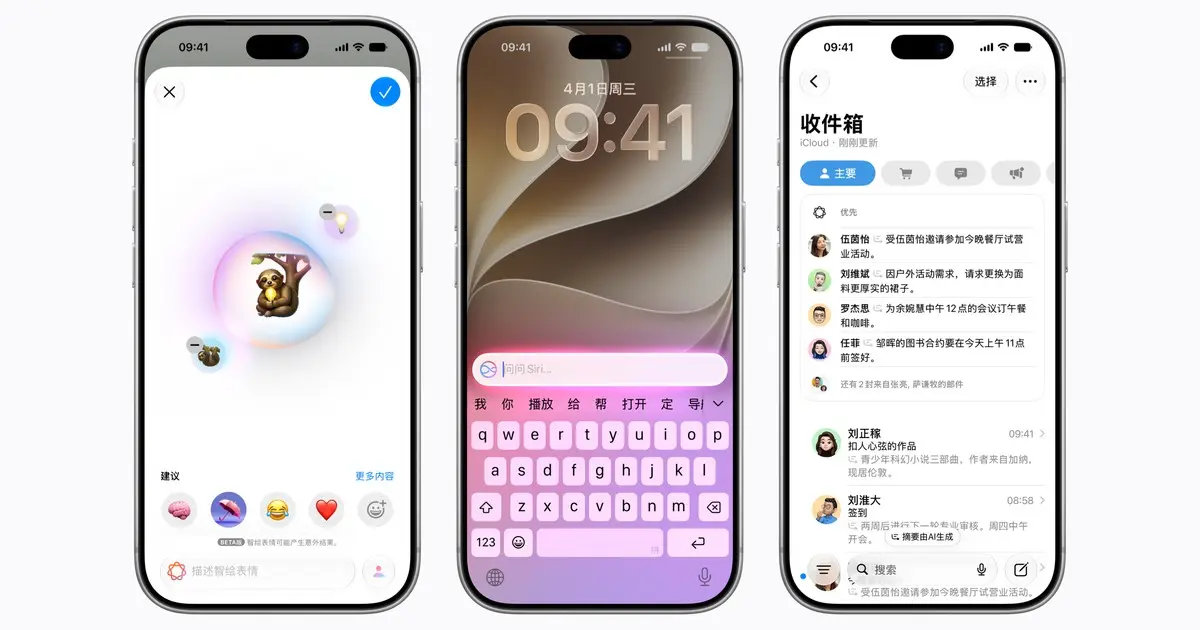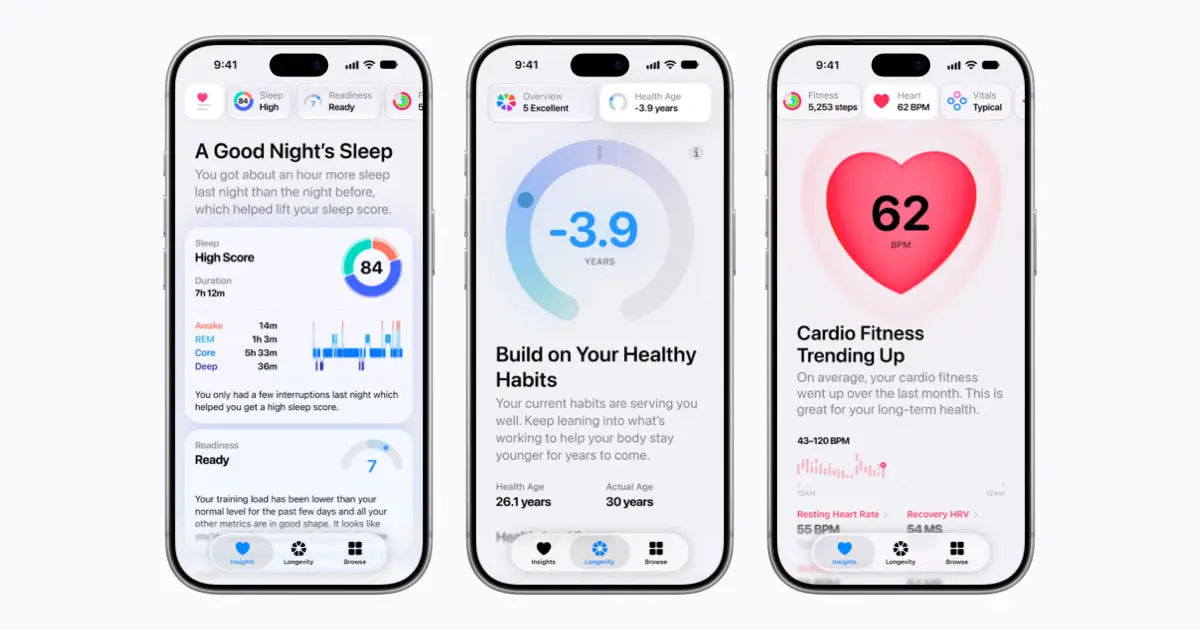
Apple’s redesigned Health app now supports a much wider set of languages, and it is available to developers in the iOS 27.3 beta today. Apple announced on November 3, 2026 that the app will cover global English, Chinese (Simplified and Traditional), French, Japanese, Korean, Norwegian, Portuguese, Spanish, Turkish and Vietnamese, with a free software update for everyone planned for later this year.
That matters because the redesign first appeared as an English-only preview. MacRumors reported that it launched initially in U.S. English, with no timeline for other languages at that point, so this is the first concrete step beyond that.
Which languages does the Health app support now?
Apple lists global English, Chinese (Simplified and Traditional), French, Japanese, Korean, Norwegian, Portuguese, Spanish, Turkish and Vietnamese. The company says it will keep adding languages, but it has not named the next ones or given dates.
Apple also notes that some features may not be available in all regions or languages, so the list is a starting point and not a promise that every feature works everywhere.
What is new in the redesigned Health app?
The update is built around Apple Intelligence and reorganises the app around a few new parts:
- Insights tab: summaries through the day covering heart, sleep, readiness, fitness, vitals and cycle tracking.
- For You section: recommendations based on daily habits. Apple’s example is guidance on adjusting a wind-down routine after several nights of interrupted sleep.
- Longevity tab: a look at long-term metrics across heart health, sleep, mental wellbeing, movement, metabolic health, hearing and nutrition.
- Health Age: a figure that turns Apple Watch data, including VO2 max, resting heart rate, sleep and heart rate variability, into a comparison with chronological age.
- Lab data: users can add clinical results such as A1c and LDL cholesterol.
- Health content: educational videos and articles featuring Health app clinical experts.
There are also at-home movement evaluations. With an iPhone camera and an Apple Watch, people can measure flexibility, strength, balance, movement mechanics and VO2 max, with real-time audio and visual feedback. Apple says this runs entirely on device and that no video is recorded, stored or shared.
What do you need to use it?
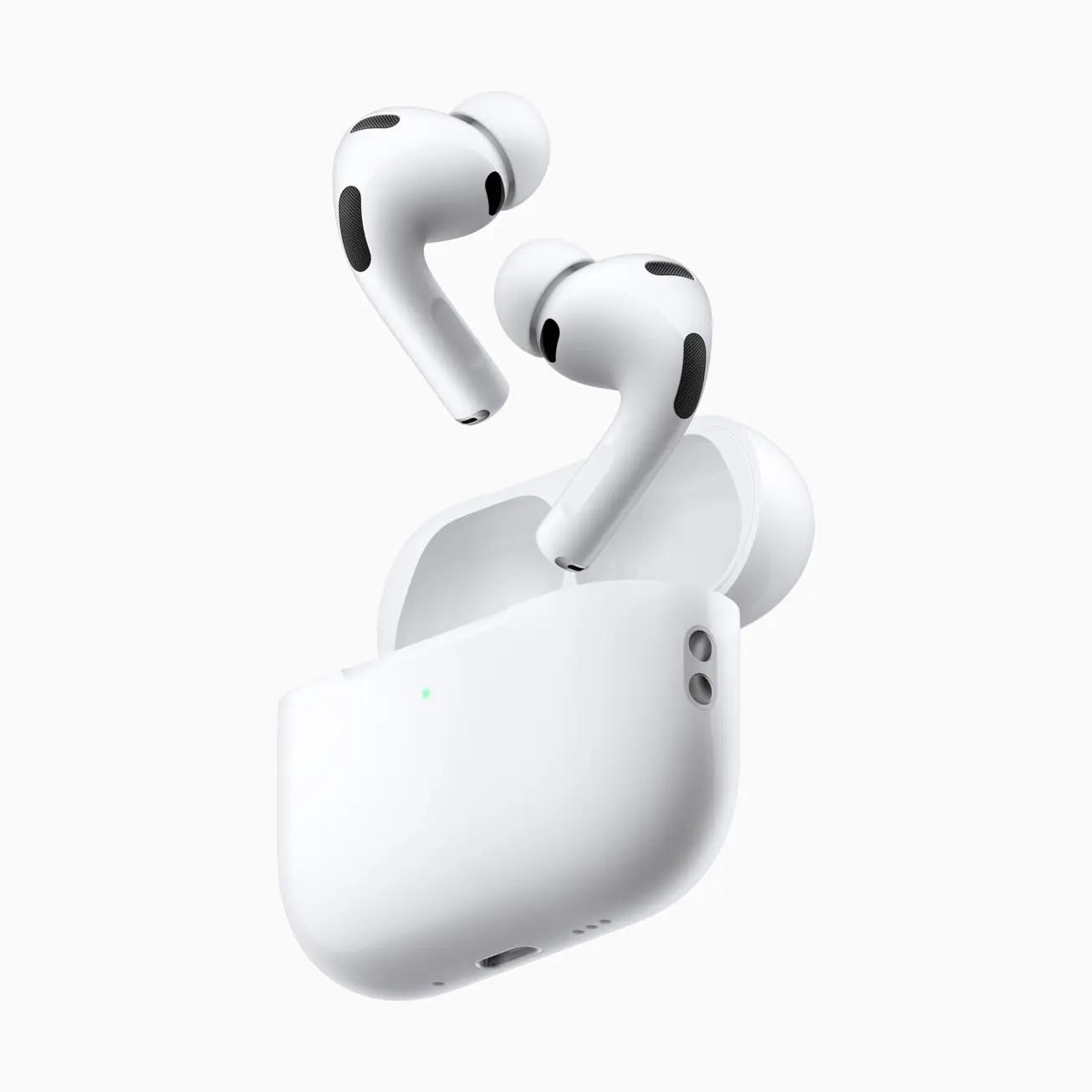
The redesigned app needs an Apple Intelligence-enabled iPhone or iPad running the latest software, and some features are limited to iPhone. Health Age requires an Apple Watch. The test that estimates VO2 max needs an Apple Watch, AirPods Pro 3 or a third-party heart rate sensing device. Some features require users to be 18 or older.
MacRumors has also reported that owners of Apple Watch Series 12 and Ultra 4 get a readiness score, and that the app delivers the most value with an Apple Watch or another compatible fitness device.
When does it arrive?
It is in the iOS 27.3 developer beta now, and Apple says it will roll out as a free software update later this year without naming a date. The road there has not been straight: MacRumors reported in October that the redesign would not launch with iOS 27.2, and it saw no reason given for the delay.
Prices
The software update itself is free, according to Apple. Apple’s release gives no price for any Apple Watch or accessory you may need. MacRumors reported a planned $119 laboratory panel from Quest Diagnostics that would feed into Health Age. Apple’s own release does not mention it, and no pricing has been given for other markets.
Who it suits
iPhone owners who use another language: this is the news for you, because it removes the English-only limit once the update ships.
Apple Watch wearers: Health Age and the movement tests lean on Watch data, so you get the most from them.
People without an Apple Watch or a recent iPhone: check the Apple Intelligence requirements first, since older models are left out.
Cautious users: this is still a beta, so the public release is the safer moment to try it.
Your next step is Apple’s Apple Intelligence availability page at support.apple.com/en-us/121115, which shows whether your device and language are covered.