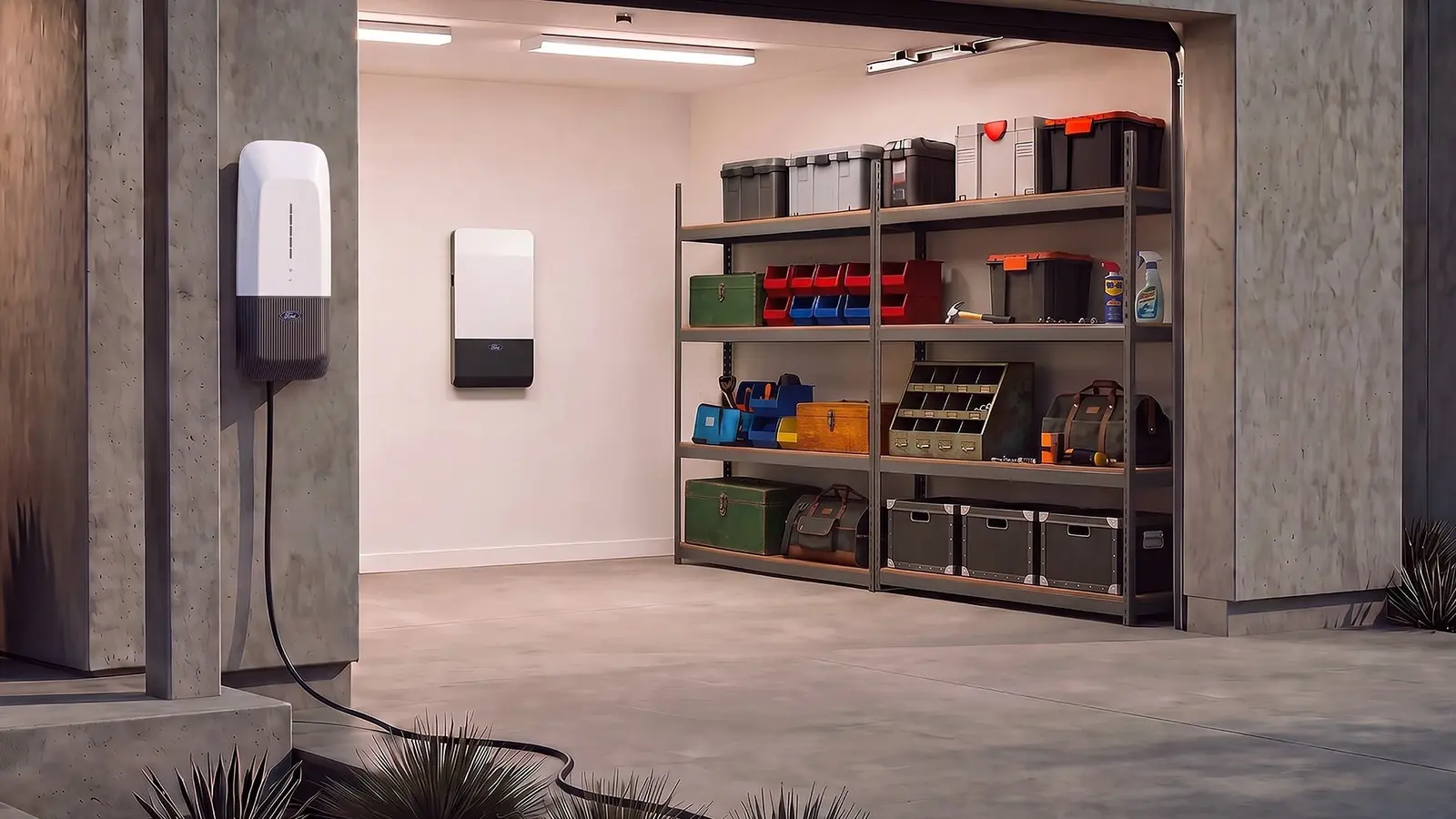
Ford says its 2027 Fathom electric truck, priced from $28,350 MSRP, will be able to send over 10 kW of AC power to a house without a separate wall-mounted inverter. The home charger that goes with it is expected to cost about half as much as Ford’s first-generation bidirectional unit.
Ford laid out the plan on October 27, 2026 on its From the Road site, and the truck is due in 2027. BC Hydro is one of five utilities in a Ford working group on the connection rules, which makes this a Canadian story as well as a US one, although Ford gives no Canadian prices yet.
How does the Fathom power a home?
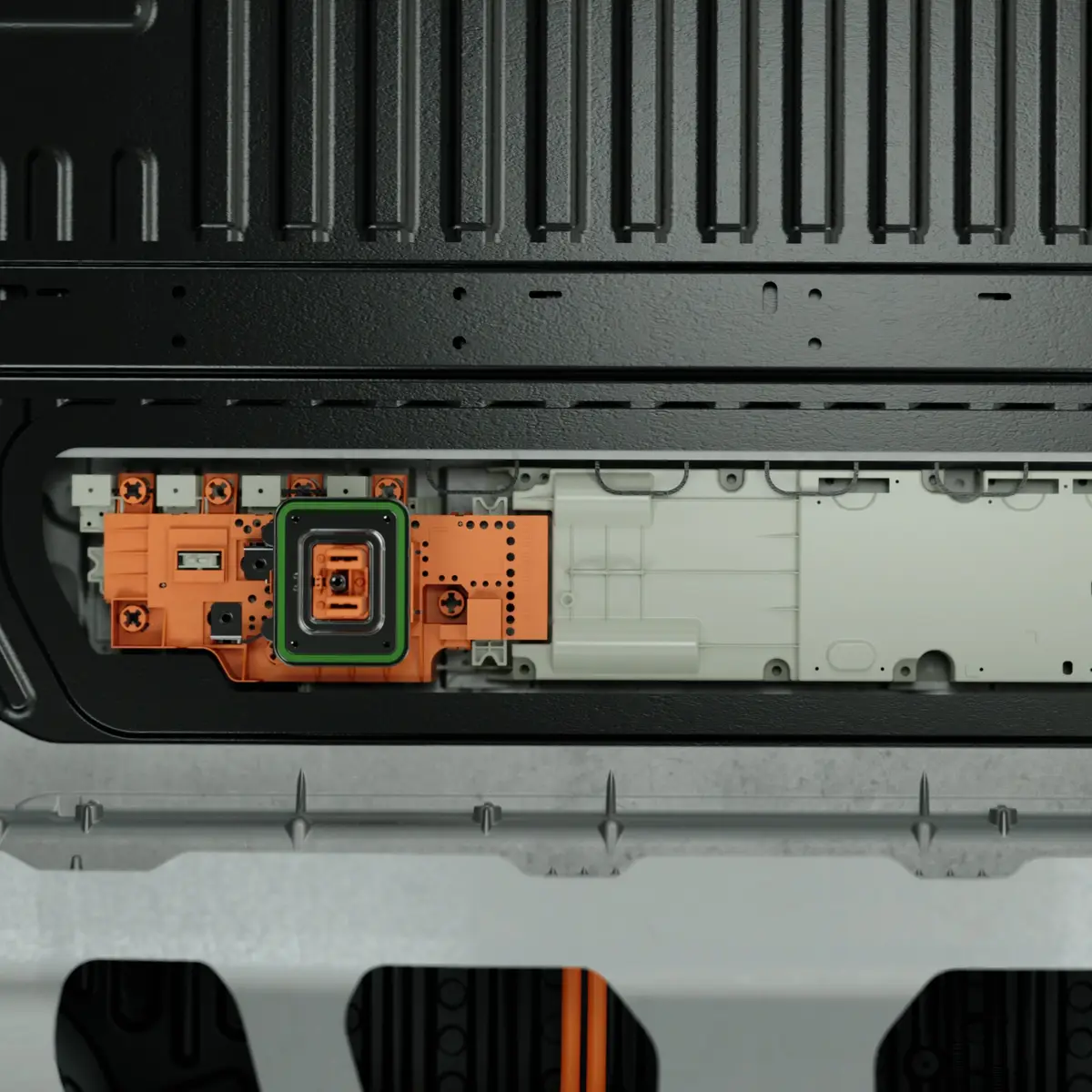
According to Ford, the inverter that turns the battery’s power into household AC is built into the truck instead of hanging on a wall. The company says the Fathom has five main modules and the E-box, which houses the inverter, is one of them.
Ford calls this the difference between DC and AC bidirectional systems. DC systems need a separate wall-mounted inverter outside the vehicle, and Ford says that extra hardware adds significant cost. The Fathom, built on the new Universal EV Platform, moves that job into the vehicle.
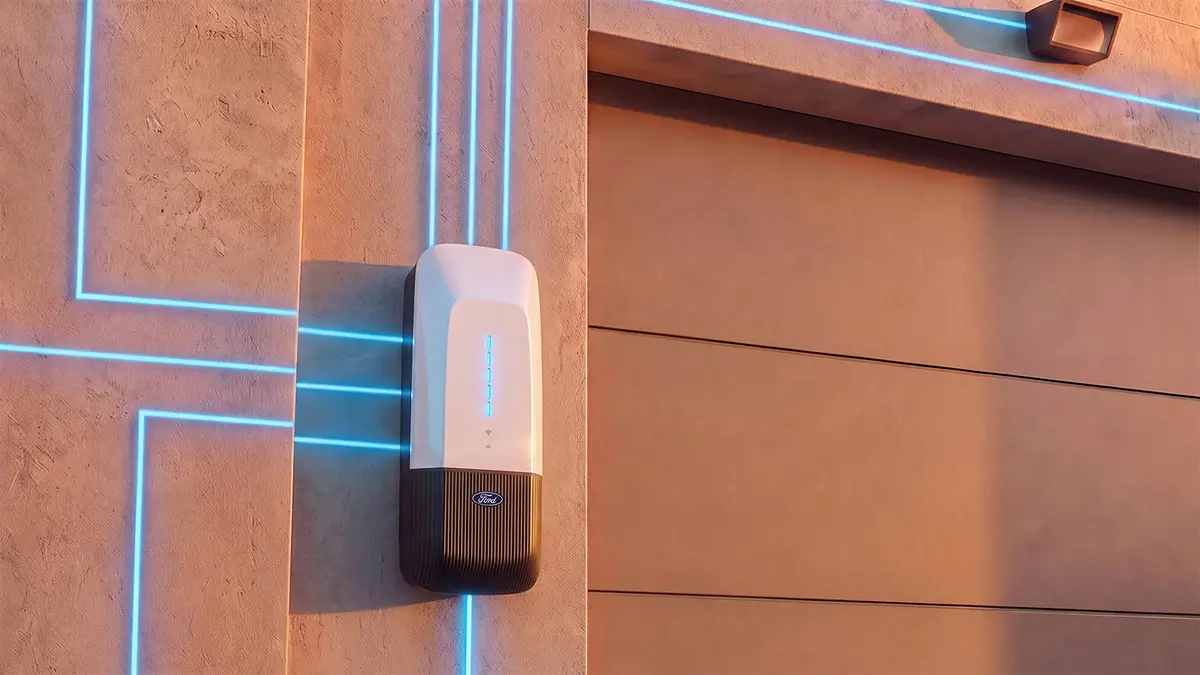
Two home features need the Ford Home Power Station:
- Home Power Management: charges the truck when electricity is cheaper and powers the home when it costs more. Ford says it needs utility approval and an active Ford trial or plan.
- Home Backup Power: sends power to the house during an outage. It also needs the Home Backup Power Panel, and Ford says it may need utility notice or approval.
Ford says the system is designed to meet UL 1741 and IEEE 1547 and uses the SAE J3068 communications standard.
How much does it cost in Canada and the US?
The truck starts at $28,350 MSRP in the US, according to Ford’s page. Ford has not published a Canadian price for the Fathom or for the home equipment, and the pages we read do not say whether the home equipment will be sold in Canada.
Ford has not set official prices for the home hardware. It describes them in relative terms:
- Home Power Station: about half the cost of the first-generation bidirectional charger
- Home Backup Power Panel: at least 60% less than first-generation home backup hardware
TechCrunch reported dollar figures for the US: about $650 for the Home Power Station and about $2,100 for Home Backup Power, which bundles the station with the panel. Installation is not included. TechCrunch notes that installing existing vehicle-to-home chargers can cost up to $10,000. The outlet also says both products can take part in virtual power plant programs, with payouts that can reach upwards of $1,000 per year depending on the grid.
Why is BC Hydro involved?
More than 3,000 utilities across the US and Canada each have their own process for connecting a vehicle that feeds power back to a house, Ford says. A working group formed in July 2026 aims to settle common rules before the Fathom launches.
The members are American Electric Power, BC Hydro, Consumers Energy, Exelon and Pacific Gas and Electric. Ford’s position is that interconnection approval should apply only when the vehicle runs in parallel with the grid, not during normal charging or isolated backup. Ford acquired the startup Auto Motive Power in 2023 to build its grid and energy work.
Who it suits
Homeowners with outage worries. A truck that can run a house through an outage without a wall inverter is the main pitch. TechCrunch says the 10 kW level is enough for a refrigerator and air conditioner for about half a day, but not for everything in most US homes.
People on time of use rates. Home Power Management is built for charging when power is cheap and using it when power is dear, if your utility allows it.
Tradespeople and workshop owners. A pickup that doubles as backup power could keep a garage or small shop running, though Ford has not said how that would work for job site tools.
Who should wait. Canadian buyers should hold off on budgeting until Ford confirms Canadian pricing, availability and which utilities will approve the hookup.
What is still unknown?
Ford has not given a sales date beyond 2027, a Canadian price, or installer details, which TechCrunch says Ford will share later. Utility approval rules differ by region, and the final cost of installation is not part of the quoted prices.
To follow the details, watch Ford’s From the Road articles on the Fathom, and check your own utility’s rules for connecting a vehicle to a home.