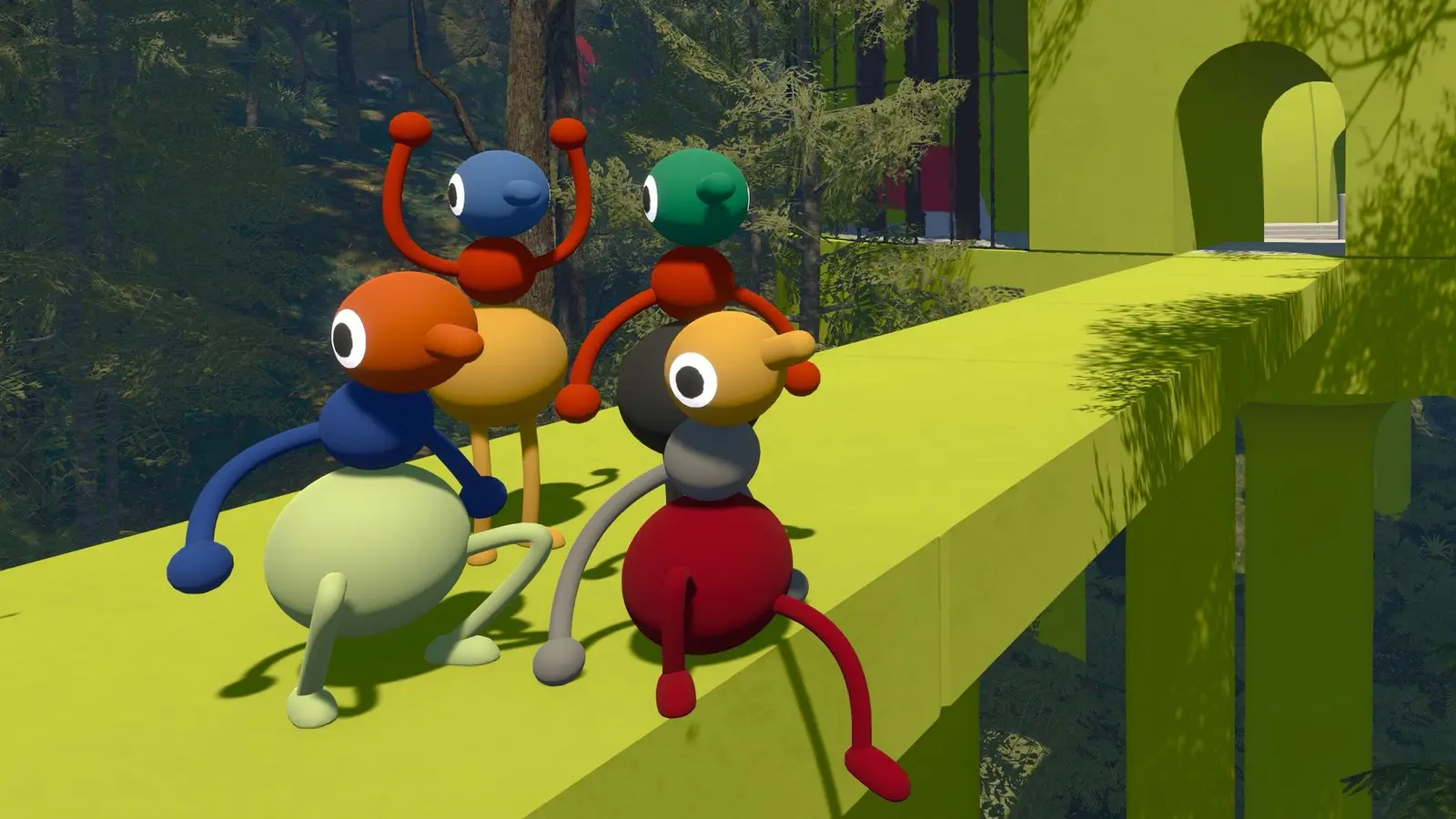
House House, the Australian studio behind Big Walk, says large language models were used “sparingly” during development and that well under 0.1% of the game’s code relates to that use. The studio put the statement in the game’s FAQ, and Nintendo Life and Kotaku both reported it on November 10, 2026.
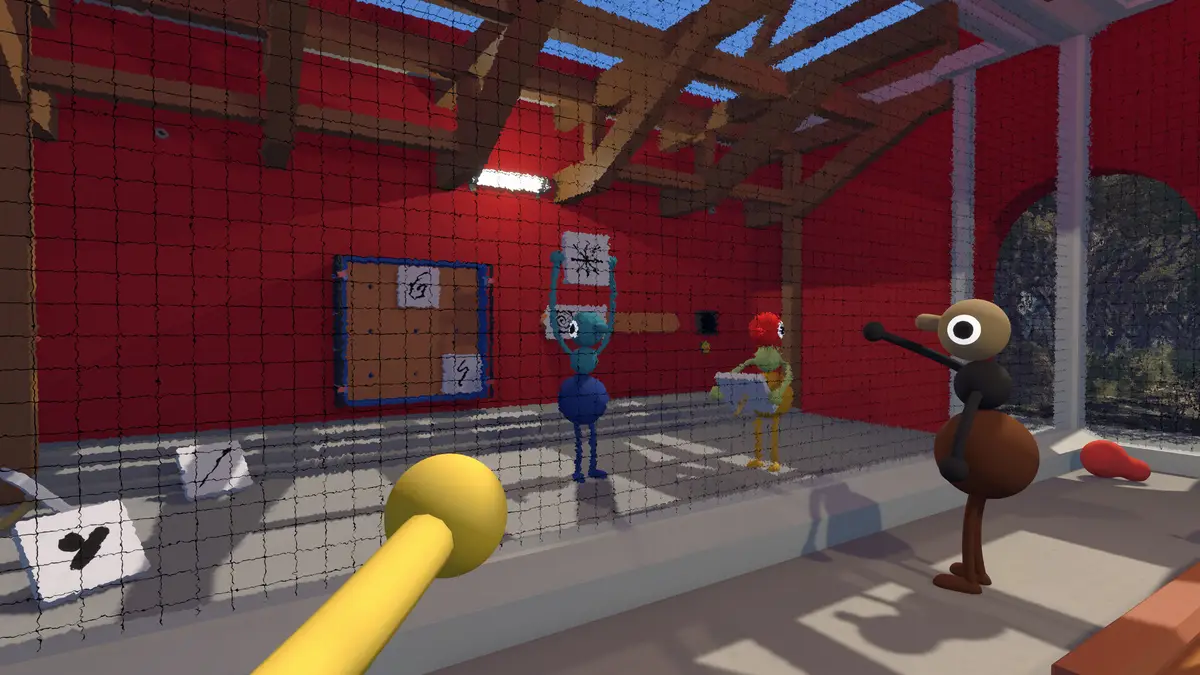
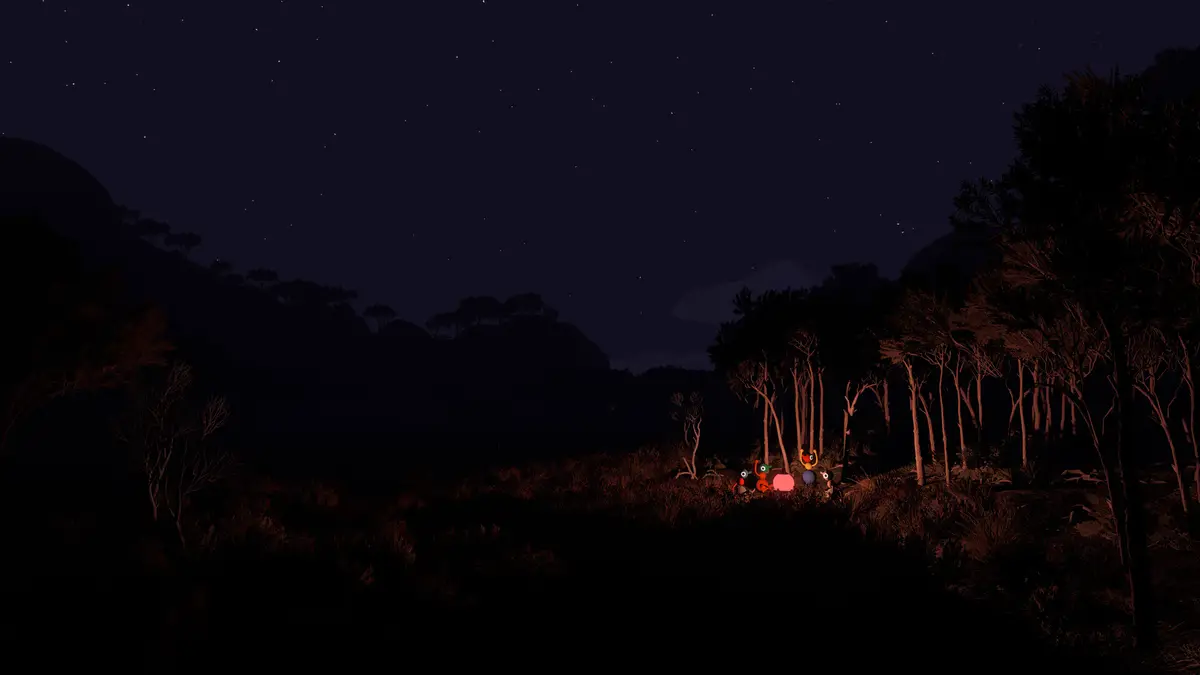
Big Walk is the co-op follow-up to the studio’s 2019 hit Untitled Goose Game. It is published by Panic and came out on August 4, 2026, according to Nintendo Life.
What did House House say about AI?
The new FAQ entry is titled “Was AI used to make Big Walk?”, and Kotaku reported that archived snapshots show it appearing after October 23, 2026. The studio says language models helped with difficult technical problems and bugs, mostly in the final stretch of development.
According to the studio, output was sometimes copied as a starting point and then modified into game code. It says generative AI was not used in any other context.
House House also said the disclosure is not an endorsement of AI tools, however minimal. It apologised to people who feel the usage does not meet their standards, and it called the lack of an internal AI policy “a failure”. Nintendo Life reports that the studio plans a more comprehensive policy.
What was the code used for?
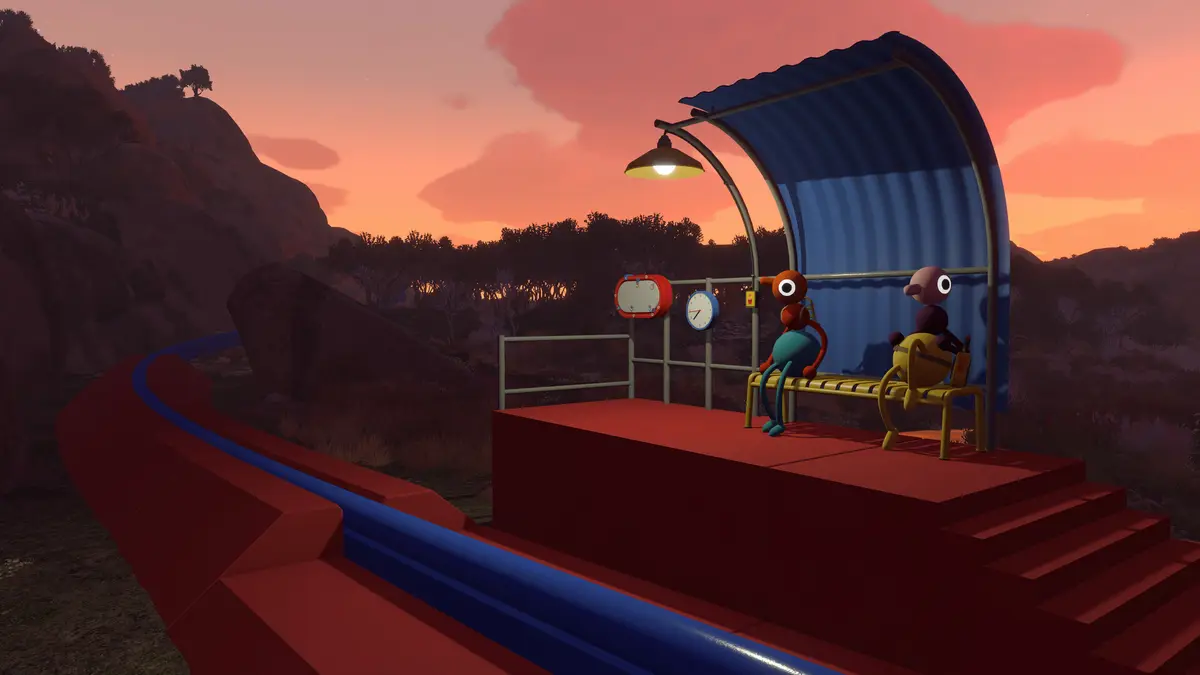
Nintendo Life gave one example from the studio. A rendering problem made the game run 50% slower for about 20 seconds at sunrise and sunset. After an engineer at Unity said the goal was not possible, the team asked a language model, took its suggestion, changed it, and ended up with about 10 lines of code inside URP.
Why did this come out now?
Nintendo Life says the note followed a voluntary disclosure the team included when submitting the game for next year’s IGF Awards. Kotaku reported that a group of 19 jurors for the 2027 Independent Games Festival issued a joint statement saying they were declining to vote for any game that uses generative AI in any capacity. Nintendo Life names Austin Walker and Sam Barlow among the signers.
Kotaku notes that the juror statements do not name Big Walk, and it does not confirm that the game is the one being discussed. It also says House House did not mention the usage on Steam because, in the studio’s words, the platform “does not request disclosure of code or chatbot usage.”
Prices
The sources give limited pricing. Prices for other countries and currencies were not stated in the sources we read. Nintendo Life lists the Nintendo Switch 2 version as the launch platform and also mentions PC and PS5. Kotaku refers to Steam.
Who it suits
Players who already own Big Walk do not need to do anything. The studio describes the usage as small and tied to bug fixing, and nothing in the sources says gameplay or content changed. Readers who follow how games are made get a concrete case here: a stated percentage, a named example and a written apology, all in the developer’s own words. Buyers deciding whether to purchase may want to read the FAQ entry themselves. Some people avoid any generative AI involvement, and the studio acknowledges that. Developers and festival entrants can see that IGF rules required disclosure, according to Bruno Diaz as quoted by Kotaku, and that a voluntary note started this chain of events.
What is still unknown
The sources do not say which tools were used or exactly which parts of the code were touched. They do not say whether Big Walk has been nominated for anything, or whether the IGF will take any action. The percentage is the studio’s own estimate.
For the full wording, read the Big Walk FAQ on the House House site, and watch for the promised AI policy.