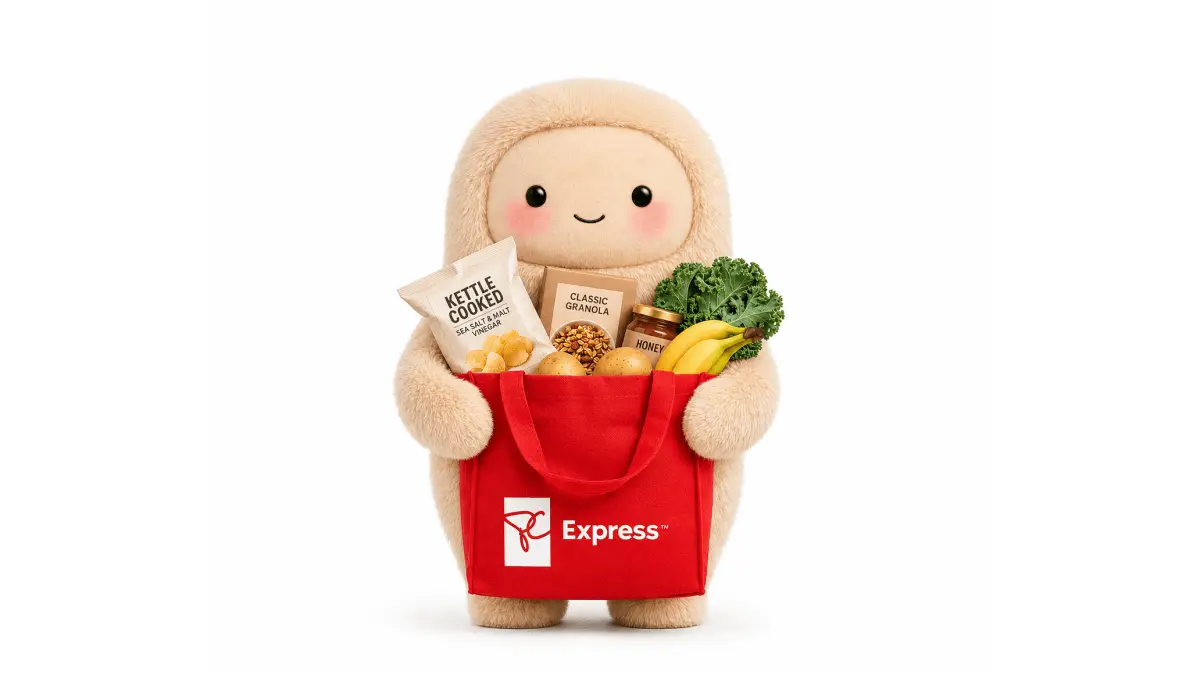
Loblaw is now a connector inside Meta’s Muse, which makes it the first Canadian retailer on the AI agent: starting November 18, 2026, shoppers in Canada can plan meals, build a basket and check out with participating Loblaw banners without leaving Muse.
Meta announced the connector together with two product updates for Canadian users, real-time voice conversations and custom spaces. Muse itself reached Canada earlier this autumn, and Meta describes it as a personal AI agent that takes tasks off a person’s plate instead of only answering questions.
What can Muse do with Loblaw?
Connectors link Muse to apps and services a person already uses. Canadians can already connect Gmail, Google Calendar and Instagram, so Muse can help manage email, coordinate schedules and draw on saved content.
With the Loblaw connector, Meta says shoppers can ask Muse to help with:
- Meal planning
- Building a basket from Loblaw’s catalogue
- Checking out with participating Loblaw banners, all inside Muse
Meta adds that Muse can remember brand preferences and details such as food allergies, which should make the next week’s planning easier. The announcement does not list which banners take part, so check the Muse app for the stores available to you.
Loblaw is not new to AI shopping. According to Retail Tech Innovation Hub, in February 2026 the company launched its PC Express app inside ChatGPT, which lets Canadians explore meal ideas, assemble ingredients and select suggested products from their local stores.
What is new in voice and spaces?
Voice is rolling out in Canada in the Muse app on mobile, web and Mac. Meta previewed real-time conversations at Connect 2026 and introduced voice two weeks ago. Tapping the phone icon in the top-right corner starts a conversation, and the avatar uses subtle expressions and gestures that match the tone. Users choose how present it is: voice only, the avatar alongside the conversation, or full screen.
Spaces are also available to Canadians. A space is a custom experience created by describing an idea, such as a holiday gift tracker, a daily word game or a planning board for a DIY project. Connected apps keep a space up to date in the background, so new concert dates, price changes or savings progress show up without asking.
Spaces can sit in the sidebar or the main tabs, be hidden, or be scheduled. Meta’s example is a weekly planner kept up front during the workweek and swapped for weekend plans on Saturday.
How does Muse handle safety when it buys things?
Meta says Muse runs on Muse Secure VM, a dedicated computer in the cloud that stores the data and credentials for connected services while keeping passwords and payment methods out of the agent’s view. People choose what their Muse can access, and it checks with them before sensitive actions such as sending an email or making a purchase.
Meta has published a separate post explaining how it built safety into Muse. For a grocery checkout, the practical point from Meta’s description is that the purchase step is one of the actions where Muse asks first.
How much does it cost?
Meta’s Loblaw announcement lists no price for the connector or for Muse. iPhone in Canada reported on September 29, 2026 that Muse is free for most uses, with subscription plans for people who want additional features, and that Muse launched in Canada and the United States on September 8.
Grocery prices are set by the Loblaw banners themselves, and the announcement gives no figures.
Who it suits
Households that plan meals ahead. Meal planning, basket building and checkout in one conversation is the main idea, and Meta says Muse can remember allergies and brand preferences.
People who already use Gmail and Google Calendar with Muse. Connectors let Muse fit grocery planning around schedules and email, according to Meta.
Shoppers who like to think out loud. Voice is rolling out in Canada, with the avatar optional.
Anyone who wants to see it first. The sources do not say which banners participate or how delivery or pickup works, so it is worth checking the app before relying on it for a weekly shop.
What is still unknown?
Meta and Loblaw have not said which banners are included, whether delivery and pickup are both supported, or whether other Canadian retailers will follow. The announcement also gives no figure for how many people have used the connector.
To try it, open the Muse app on mobile, web or Mac and look for Loblaw under connectors. Meta’s Canada newsroom post has the full announcement.