Anthropic has released Claude Fable 5.2 and Claude Mythos 5.2, an upgrade it says improves coding, reasoning and vision, with output up to 30% faster than Fable 5.1 and Mythos 5.1. Fable 5.2 is available to everyone on November 9, 2026 at $8 per million input tokens and $40 per million output tokens.
The two names share one underlying model. Fable carries strong cybersecurity and biology safeguards and is open to all users, while Mythos goes only to vetted organizations through Anthropic’s Cyber and Life Sciences Verification Programs. SD Times and 9to5Mac both covered the launch the same day.
What is new in Fable 5.2 and Mythos 5.2?
Anthropic says the models are a step above Opus 5.5 on almost every capability it evaluated. The company also says testers found them clearer when they explain their work.
The post lists these figures for Fable 5.2, all from Anthropic’s own tests:
| Benchmark | Fable 5.2 | Fable 5.1 | Opus 5.5 |
|---|---|---|---|
| FrontierCode 2.0 (Xhigh effort) | 49.1% | 32.4% | 45.5% |
| FrontierSWE v2 | 69.9% | 56.3% | 62.3% |
| OSWorld 2.1, computer use | 89.3% | 83.5% | 87.2% |
| Humanity’s Last Exam, with tools | 74.2% | 65.6% | 67.7% |
| RoboDojo Sim, robotics | 64.9% | 27.6% | 39.4% |
One number goes the other way. On the AA-Briefcase Elo score for knowledge work, Opus 5.5 reaches 1800 against 1785 for Fable 5.2, so the “step above” claim does not hold on every measure.

What did Anthropic show it doing?
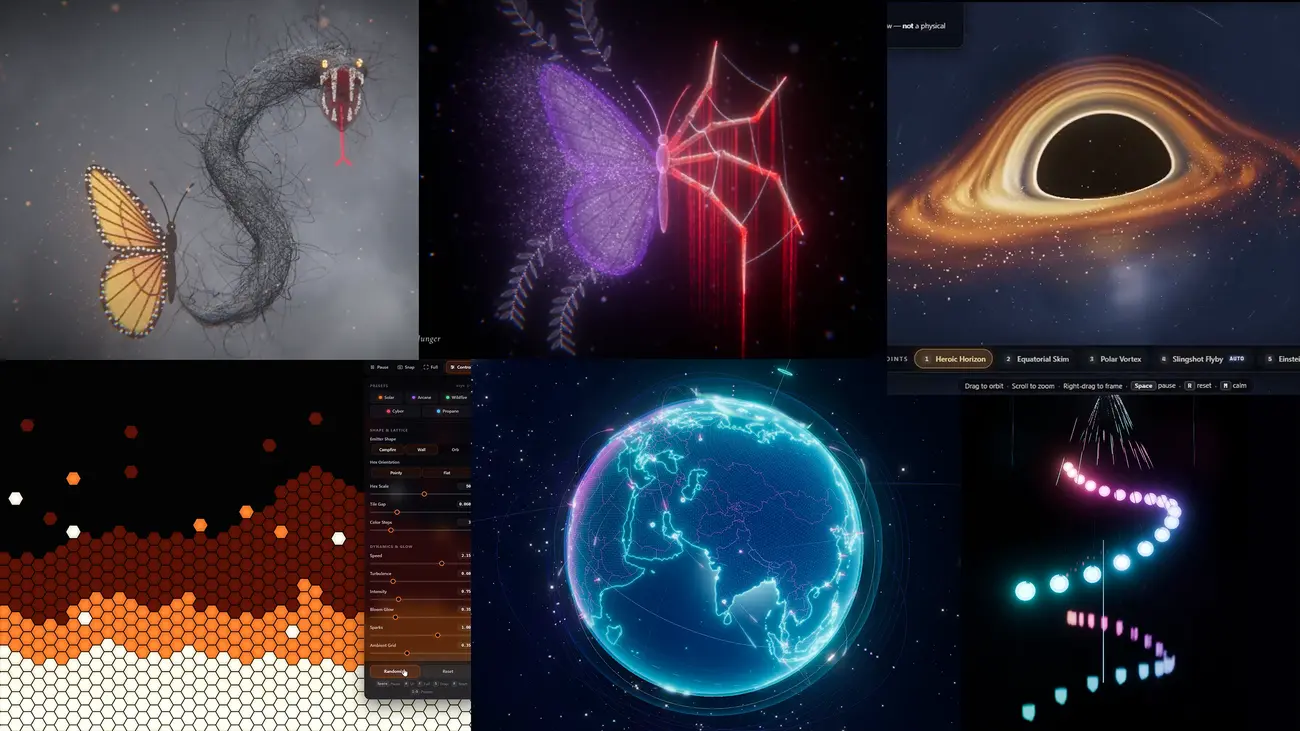
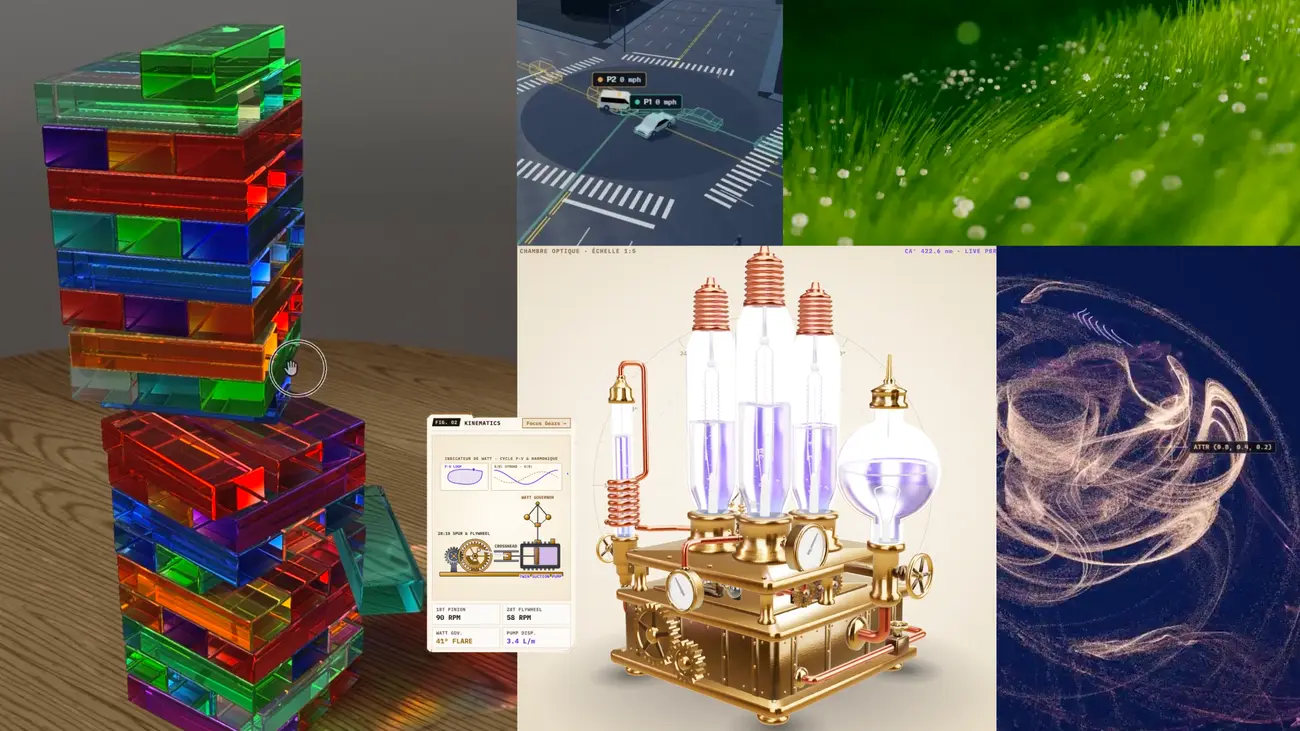
Anthropic’s examples are large projects handled by teams of agents:
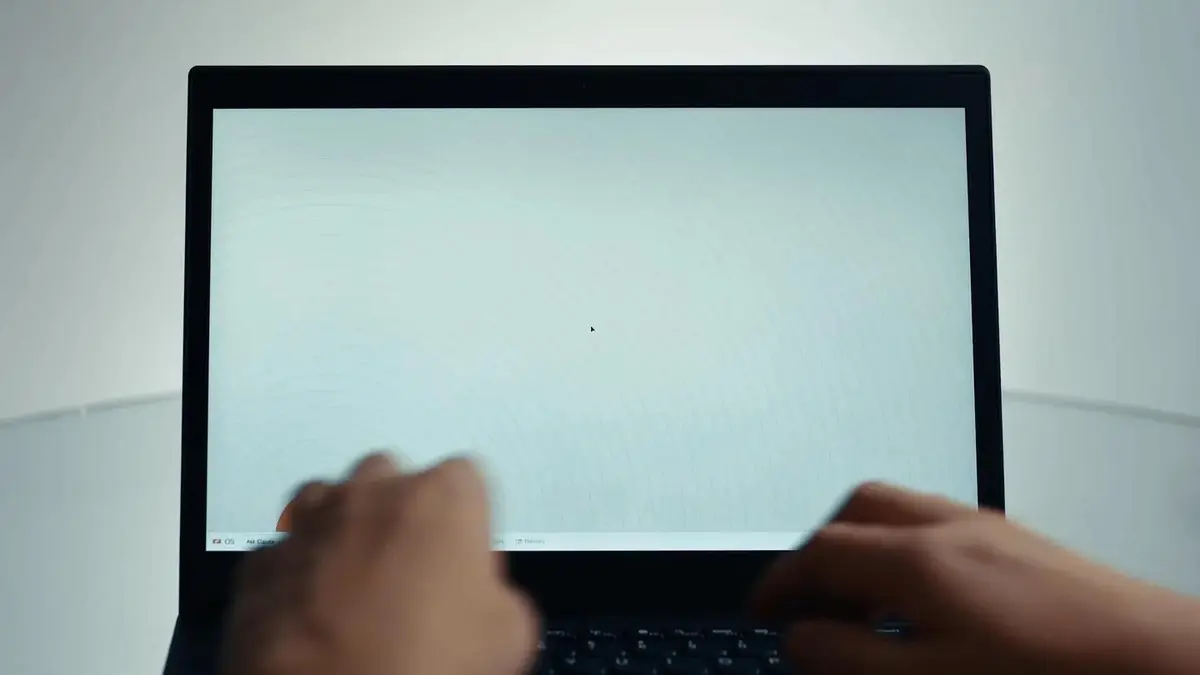
- Starting from an empty folder, one engineer had Fable 5.2 coordinate over 1,000 subagents for eight days. The result boots on a laptop and includes drivers, file storage, windows and an installer.
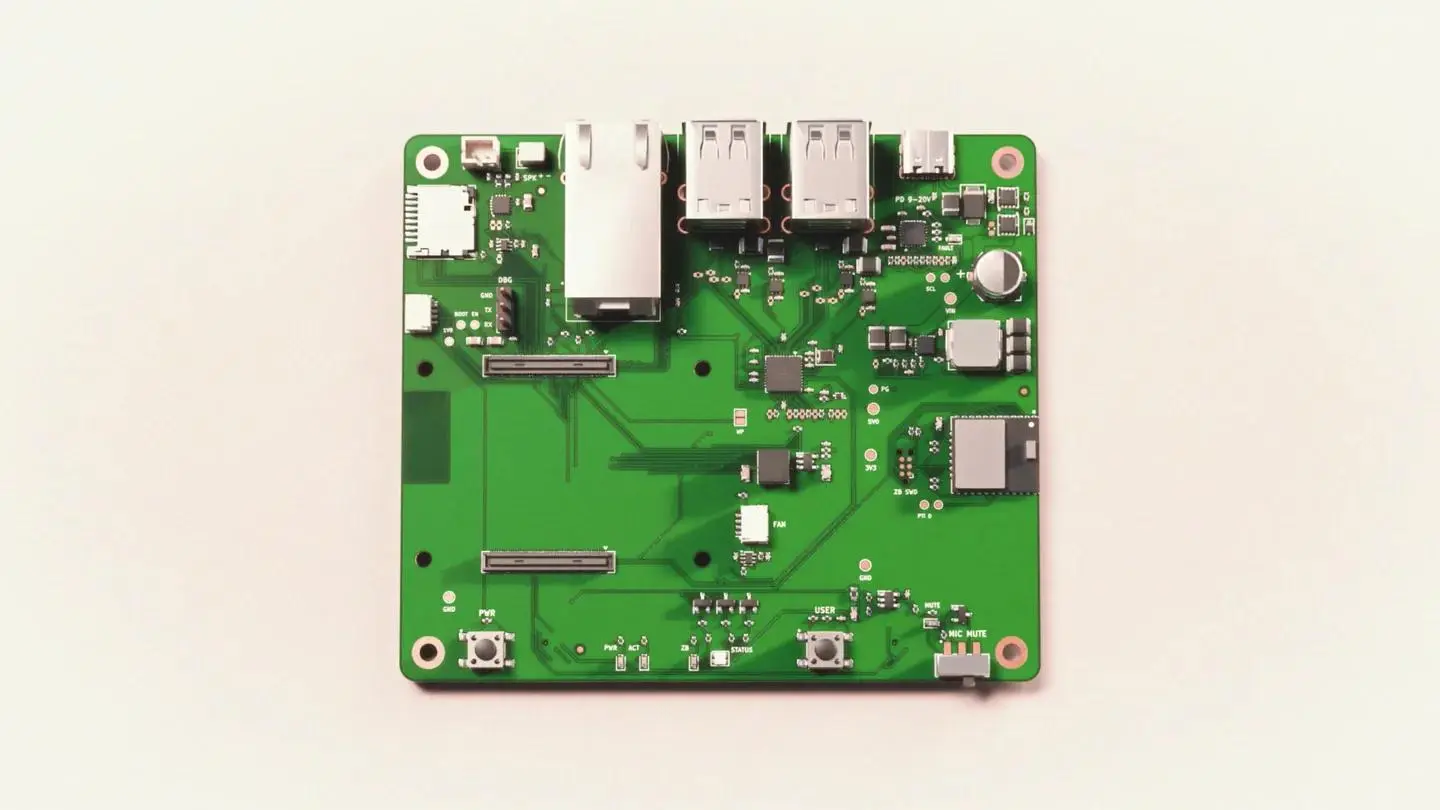
- From a one paragraph prompt, Fable 5.2 designed three working devices: a home voice assistant hub, a USB speakerphone and a handheld virtual pet. Partner Diode built the boards, and all three worked without electrical modifications.
- A team of 1,000 Fable 5.2 agents formalized Fermat’s Last Theorem in Lean in about 30 hours. An earlier formalization by an unreleased Claude research version took 11 days.
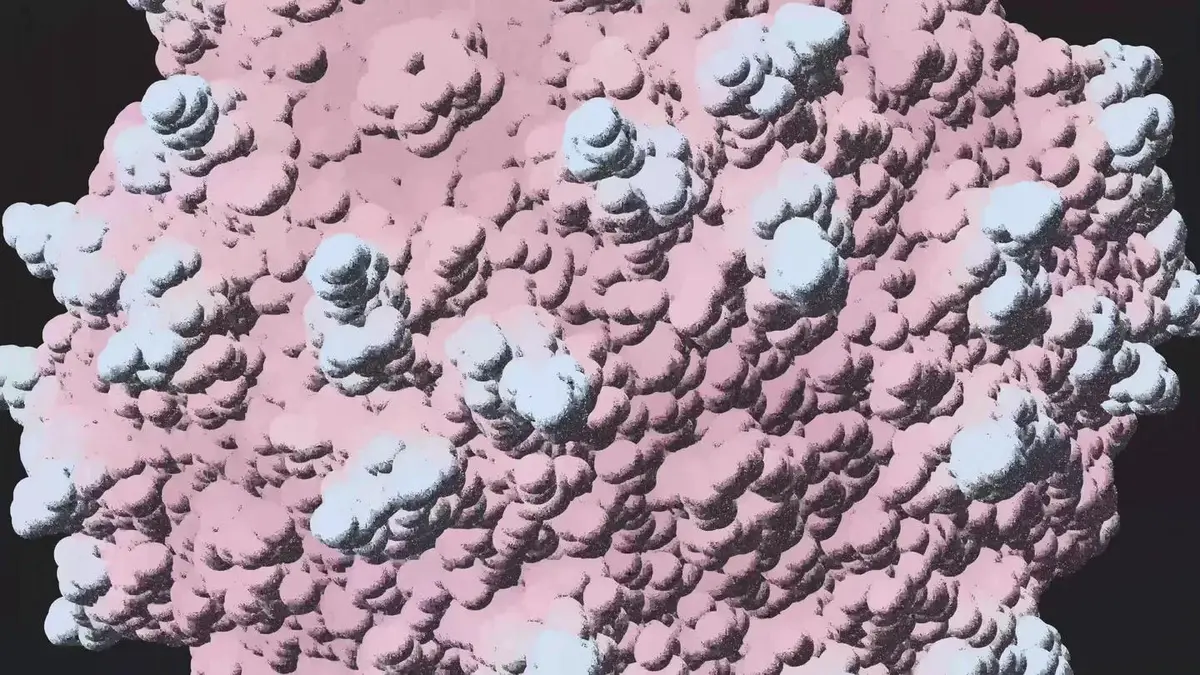
- Mythos 5.2 accurately modeled 28 of 34 gene therapy virus capsids it attempted.
Anthropic also says over 90% of the changes merged into its core codebase are now written by Claude with human guidance, and that agents moved a production service from Python to Rust so it starts about 26 times faster.
How much does it cost and where can you use it?
Fable 5.2 costs $8 per million input tokens and $40 per million output tokens at standard speed. Fast mode, up to 2.5x faster token generation, costs $16 and $80. The API model ID is claude-fable-5-2, and the model is available on Amazon Web Services, Google Cloud and Microsoft Azure. Prices are listed in US dollars.
Eligible paid subscribers got one to three Fable resets, depending on subscription length. Fable is included for up to 50% of weekly usage limits on Pro plans and standard Team seats. Mythos 5.2 is reached through the Verification Programs, or through Claude Security for Enterprise customers.
Who it suits
Developers on hard problems. Anthropic still recommends Opus 5.5 as the daily driver for most coding and knowledge work. Fable 5.2 is pitched at ambitious, open ended jobs, or as an Advisor that smaller models consult.
Security teams. In an internal test of 1,829 CVEs, Mythos 5.2 found 10.2% more vulnerabilities than Opus 5.5. Access requires an application and approval.
Researchers and engineers. The physics, protein and hardware examples show where Anthropic is aiming, though each is a showcase from the company, not an independent test.
Who should wait. Casual chat users and teams on tight budgets can stay on Opus 5.5, Sonnet 5.5 or Haiku 5.5, which Anthropic names for simpler work.

What is still unknown?
Anthropic notes that the UK AI Security Institute, Frontier Design and METR tested the models but did not review the post, so the claims are the company’s. Prices for Mythos outside the Verification Programs are not listed, and the post gives no timeline for opening Mythos more widely.
Read the full post on Anthropic’s site for the benchmark charts and the demo videos before choosing a model.