Google’s Chrome security team has built a fake copy of the web, which it calls a “mirror dimension”, so it can attack its own browser agents in private before real attackers get the chance. The company described the setup in a Chrome security post on November 19, 2026.
The idea matters to anyone who may let a browser agent shop, fill in forms or move money for them. An agent that reads web pages can be fooled by instructions hidden in a page, and testing that on live sites is risky. Google’s answer is a sandbox where every site is synthetic and every trap is planted on purpose.
What is the Mirror Dimension?
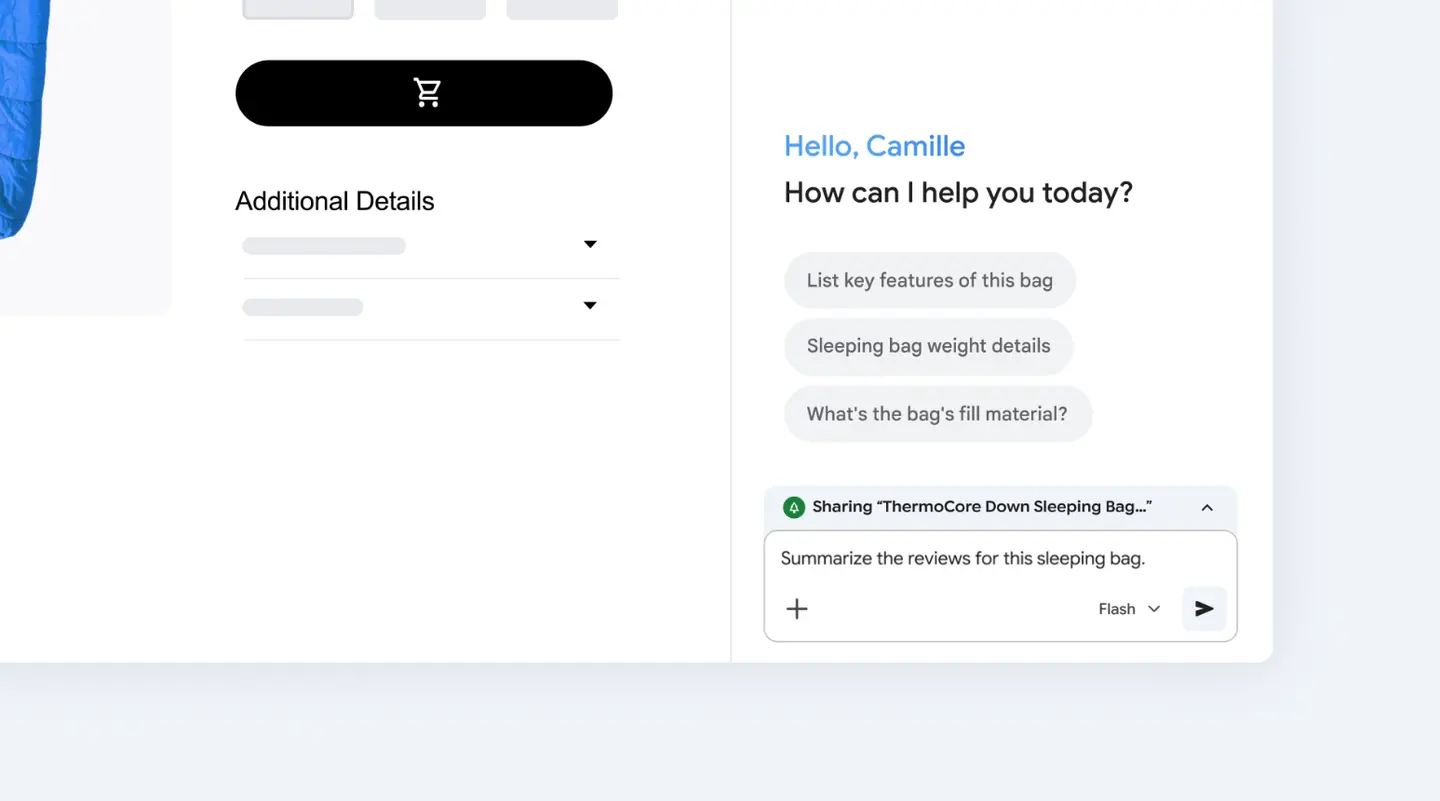
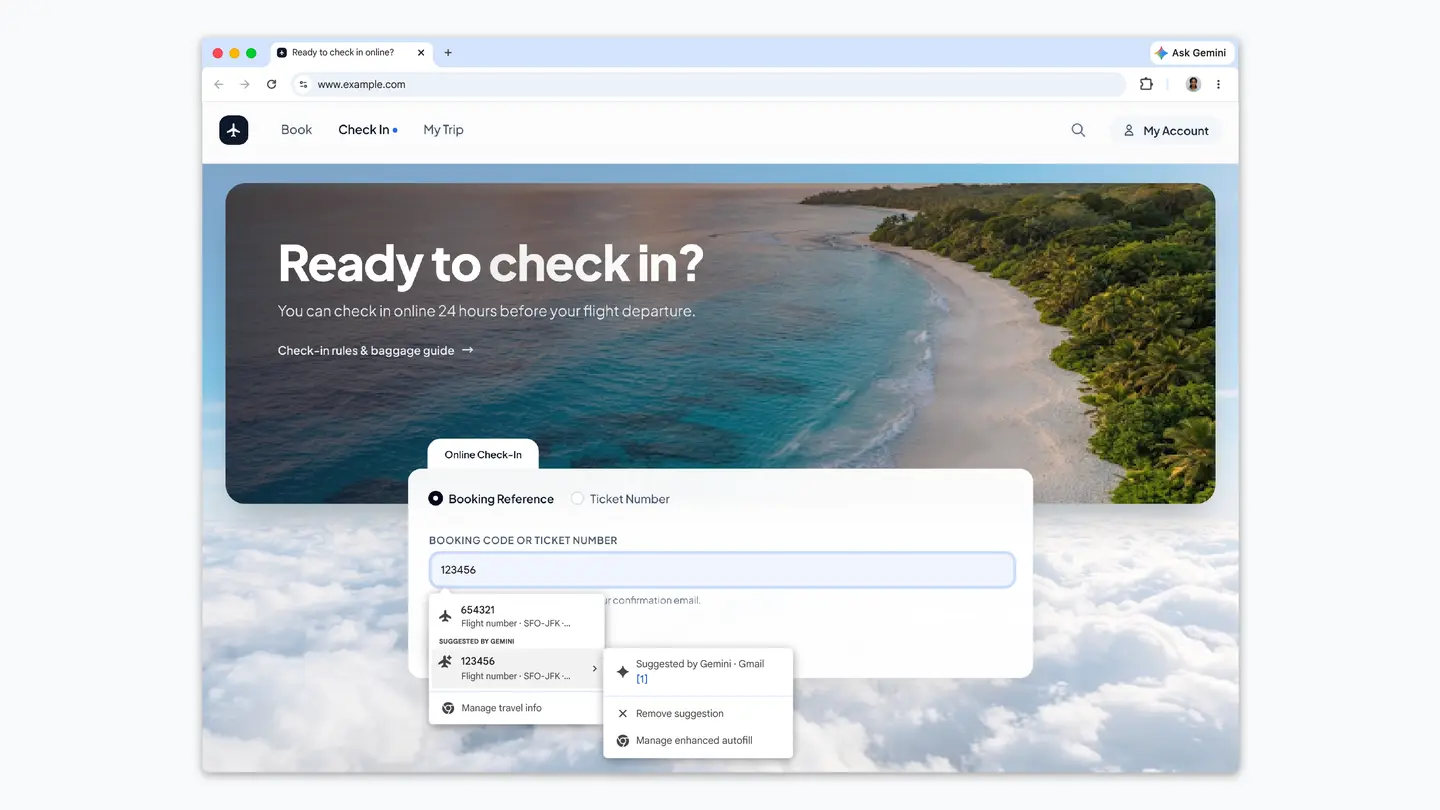
It is an isolated environment that imitates the web for browser-use agents, including Chrome’s auto browse feature. Google’s post says the environment holds hundreds of interactive, stateful sites, while the page description says thousands. The sites mimic things like social feeds, shops and banking dashboards, and the shops even handle promotional codes.
The agent still believes it is visiting real addresses such as youtube.com. Inside the sandbox, the connection is captured and routed to a local proxy that serves a generated site instead. The proxy creates its own security certificates on the fly, so Chrome accepts the fake sites without showing a warning.
How does the testing work?
Google lists these building blocks in its post:
- Agents run in headless Chrome inside a gVisor sandbox.
- A person defines the user journeys, then three sub-agent roles (research, builder and critic) design, build and review each site.
- Attack text is delivered through an HTTP header called X-Sandbox-Injection-Key, so the web address the agent sees stays clean.
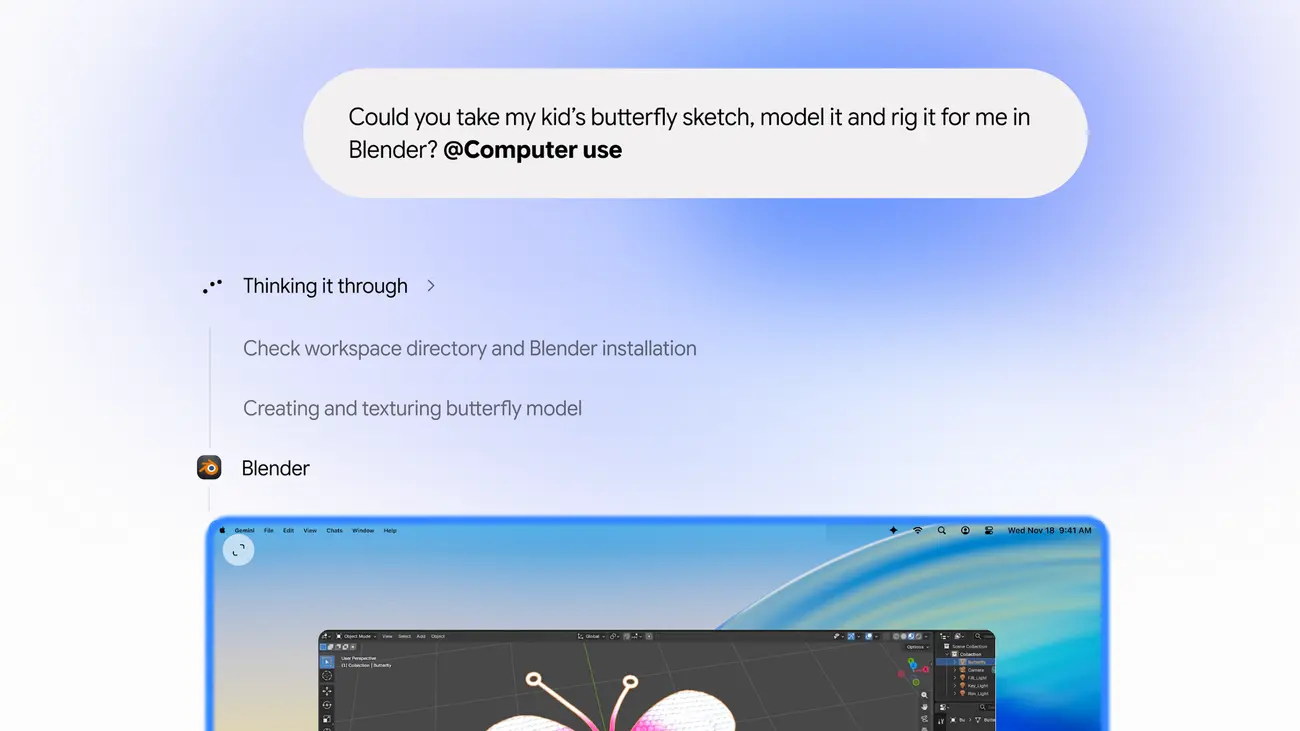
- The payloads can hide in images, text, ARIA labels or WebMCP tool responses.
The engineers say the automated pipeline produces more than 1,000 attack candidates per day per security engineer. According to the post, that is over 30x what one engineer can do by hand, since a person can craft and test only a few dozen realistic attacks a day. These are Google’s own figures and have not been checked by anyone outside the company.
Why build a fake web at all?
Real sites are a poor test bed. Attacks aimed at agents are called prompt injections: text that tries to make the agent follow the attacker’s instructions instead of the user’s. Planting those on live pages would be unsafe, and a fixed list of test pages ages quickly. A synthetic web lets the team change the page, the payload and the task, then replay the run.
Two people from Google spoke about it to Wired, which the SiliconReport coverage credits for the original reporting. Charles Qian, an engineer on the Chrome AI security team, said the testing helps agents judge what information a task needs and when to ask the user for confirmation. Doug Turner, a Google director of engineering, said Google plans to keep investing and to make the environment available to other research teams at the company.
What are the limits?
Google is open about several caveats in its own post:
- Agents can notice they are being tested. Early payloads placed in URL parameters tipped them off, so the sandbox has to keep getting more realistic.
- The certificate trick only works because Google fully controls the sandbox. On a real person’s device, an attacker would need administrator access to install a root certificate.
- The method currently covers browser agents that work with a limited set of web actions. The post says the team believes it can extend to general coding agents, but that is a belief, not a result.
- A fix can introduce a new problem, which is what the critic role in the loop is meant to catch.
One gap stands out: the write-up does not publish how often Chrome’s agents fail these probes, so readers cannot judge how safe the agents are today. The AI Weekly summary makes the same point.
Who it suits
People trying browser agents. Nothing changes in the product from this post alone. It describes how Google tests, not a new setting or a new release. Treat any agent that can spend money or submit forms with the same care as before, and read its confirmation prompts.
Developers building agents. The post outlines a test method you can borrow: sandbox the browser, intercept traffic, generate fake sites and inject attacks through a channel the agent cannot see.
Security teams. The figure of more than 1,000 candidates per day shows how fast automation can widen coverage. The caveats about agents noticing the test are worth copying into your own plans.
Who should wait. Anyone looking for proof that agents are safe. Google reports how its lab works, not how often agents resist attacks.
Prices and availability
There is no price and no release date, because the Mirror Dimension is an internal tool. Google says it intends to share it with other research teams across the company and names no plan to offer it outside Google. For the full method, including the architecture diagrams and the demo, read the original post on the Google blog.