NVIDIA, Rebellions and SK Telecom said on November 9, 2026 that they will build sovereign AI infrastructure for Korea together, with Rebellions’ next-generation Rebel R200 chips connected to NVIDIA’s platform. Nothing ships soon: Rebellions expects R200 systems to be ready for deployment in 2028.
The announcement came from Seoul and is supported by Korea’s Ministry of Science and ICT (MSIT). It is aimed at data centers and AI services, not at consumer products.
What was announced?
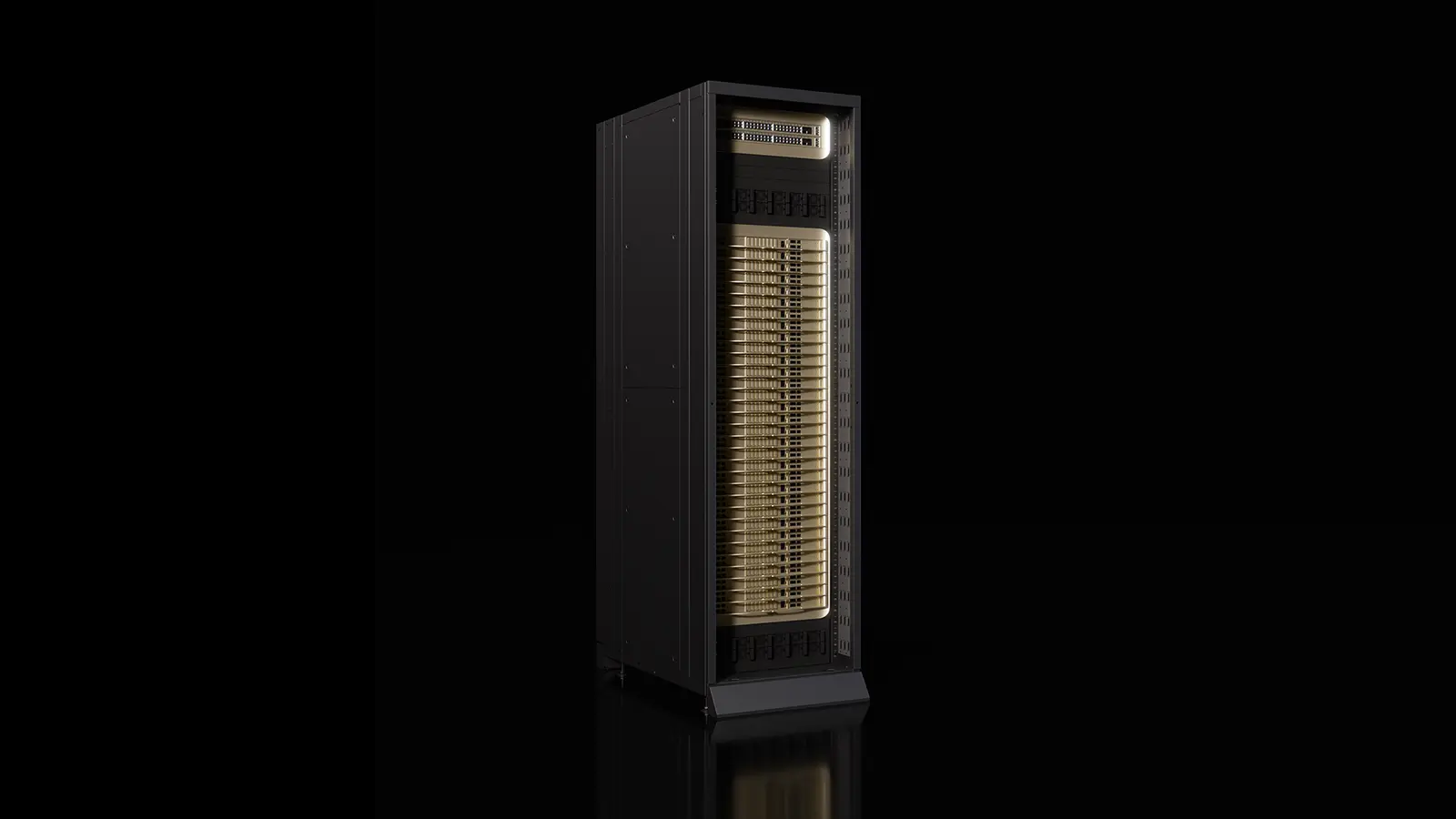
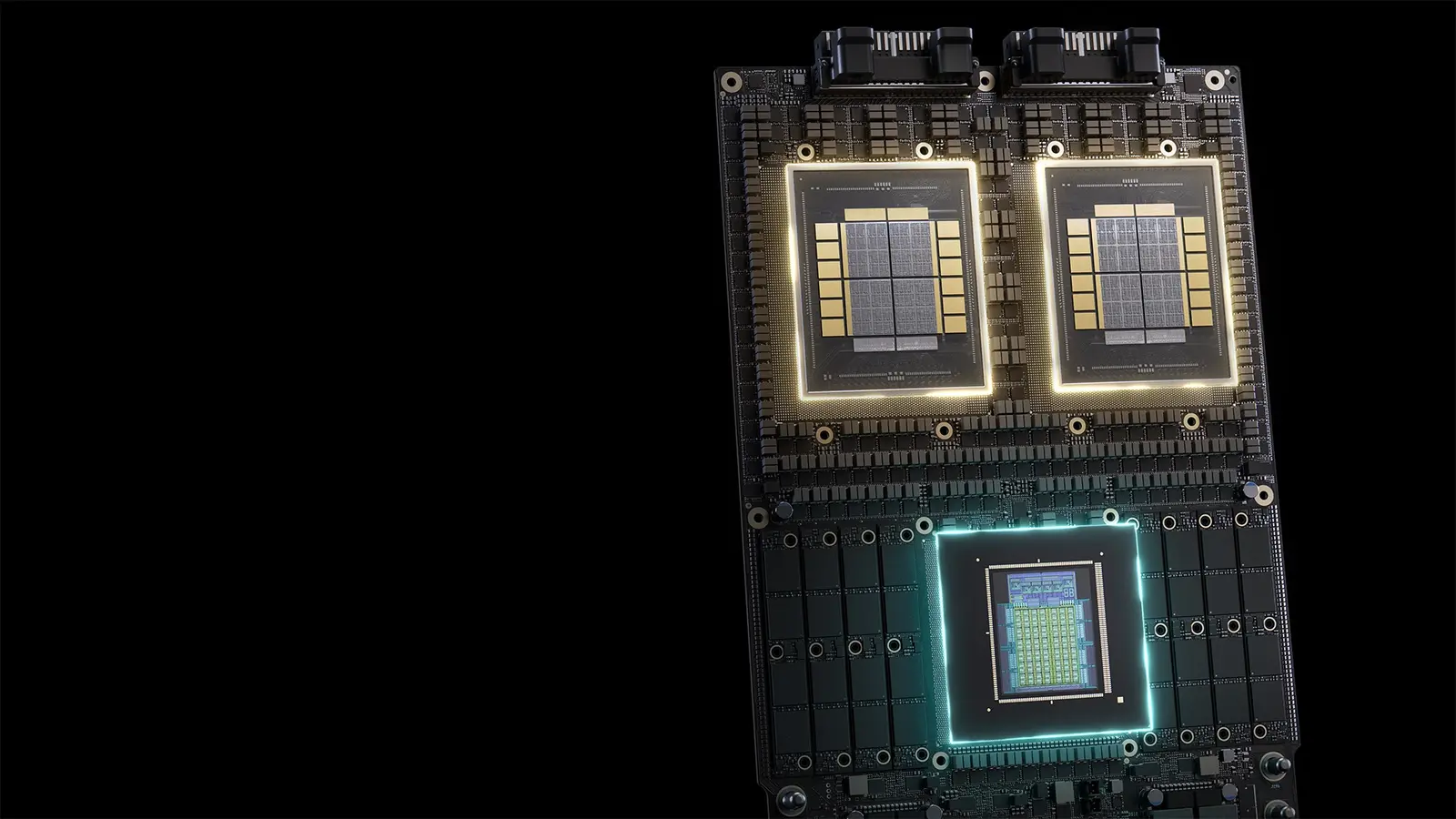
Rebellions, a Korean AI chip company, will use NVIDIA NVLink Fusion to connect its Rebel R200 neural processing units (NPUs) to NVIDIA’s infrastructure platform. It will also use the NVIDIA MGX rack architecture to develop rack-scale systems. SK Telecom plans to deploy those systems in its AI data center.
NVLink Fusion is NVIDIA’s route for chipmakers who want to pair their own custom processors with NVIDIA’s high-bandwidth, low-latency scale-up networking. Rebellions says the R200 is built for low-latency, energy-efficient inference with frontier models, including multitrillion-parameter mixture-of-experts models.
How would the system work?
The companies describe a split approach to answering AI requests, called disaggregated inference. Here is the plan as stated:
- NVIDIA GPUs would handle prefill, the first stage of generating a response.
- Rebellions NPUs would handle decode, the stage that produces the answer.
- The goal is better inference throughput and power efficiency.
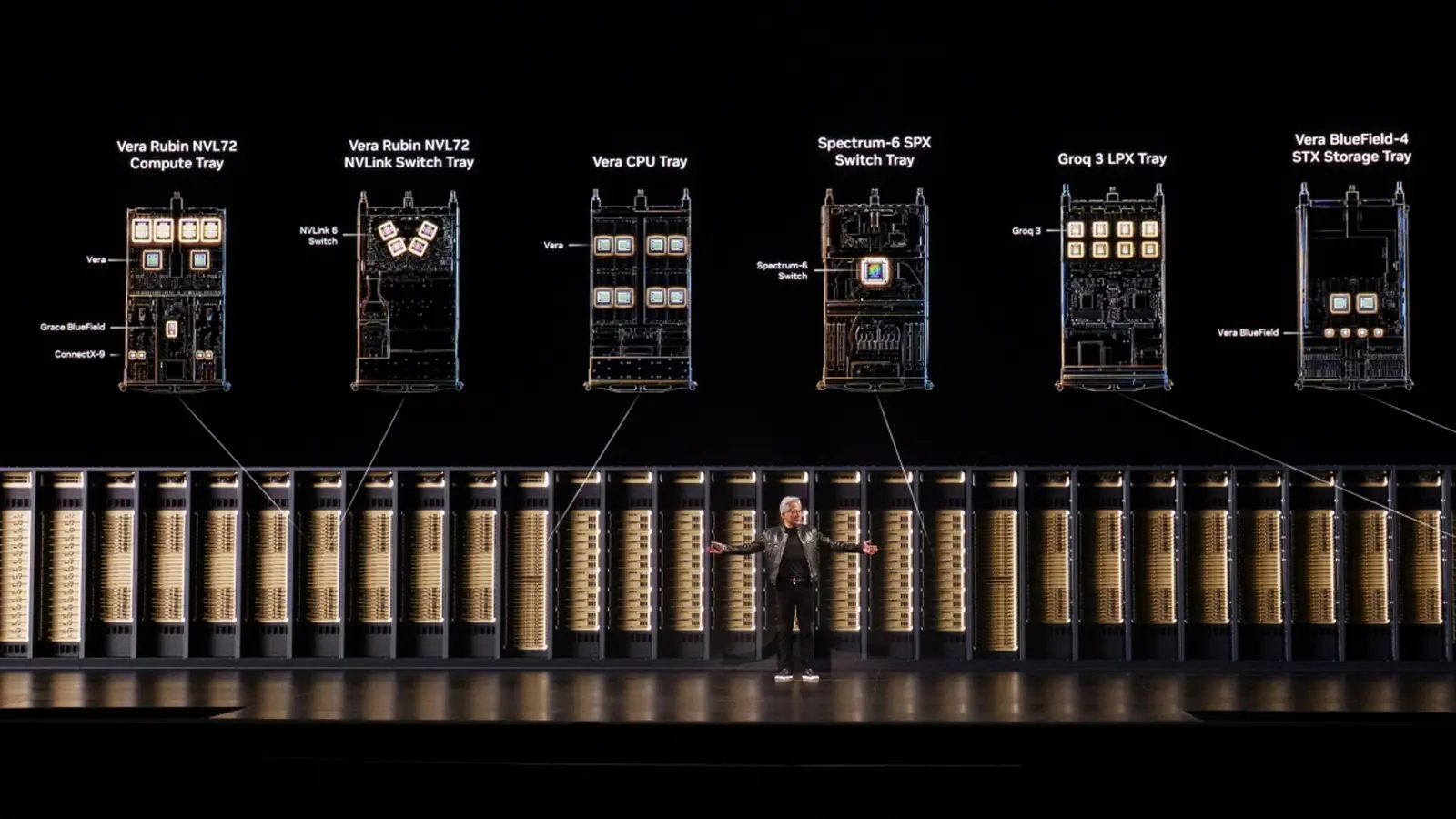
- The shared MGX rack design covers rack footprint, power delivery and cooling for both GPU and NPU systems.
SK Telecom plans to connect this hardware with its own foundation models and with public-facing services, including those under Korea’s “AI for All” project.
What did the companies say?
NVIDIA founder and CEO Jensen Huang said that “Korea has the talent, technology and industrial ambition to become a world leader in AI.” Rebellions cofounder and CEO Sunghyun Park said the work would deliver low-latency, energy-efficient inference at scale, and SK Telecom president and CEO Jung Jai-hun described it as a validation of next-generation sovereign AI infrastructure.
Korea’s Deputy Prime Minister and Minister of Science and ICT, Bae Kyung-hoon, said the government will actively support the collaboration. He named physical AI and securing GPU supply as other areas of cooperation with NVIDIA.
How does it fit the wider Korea plan?
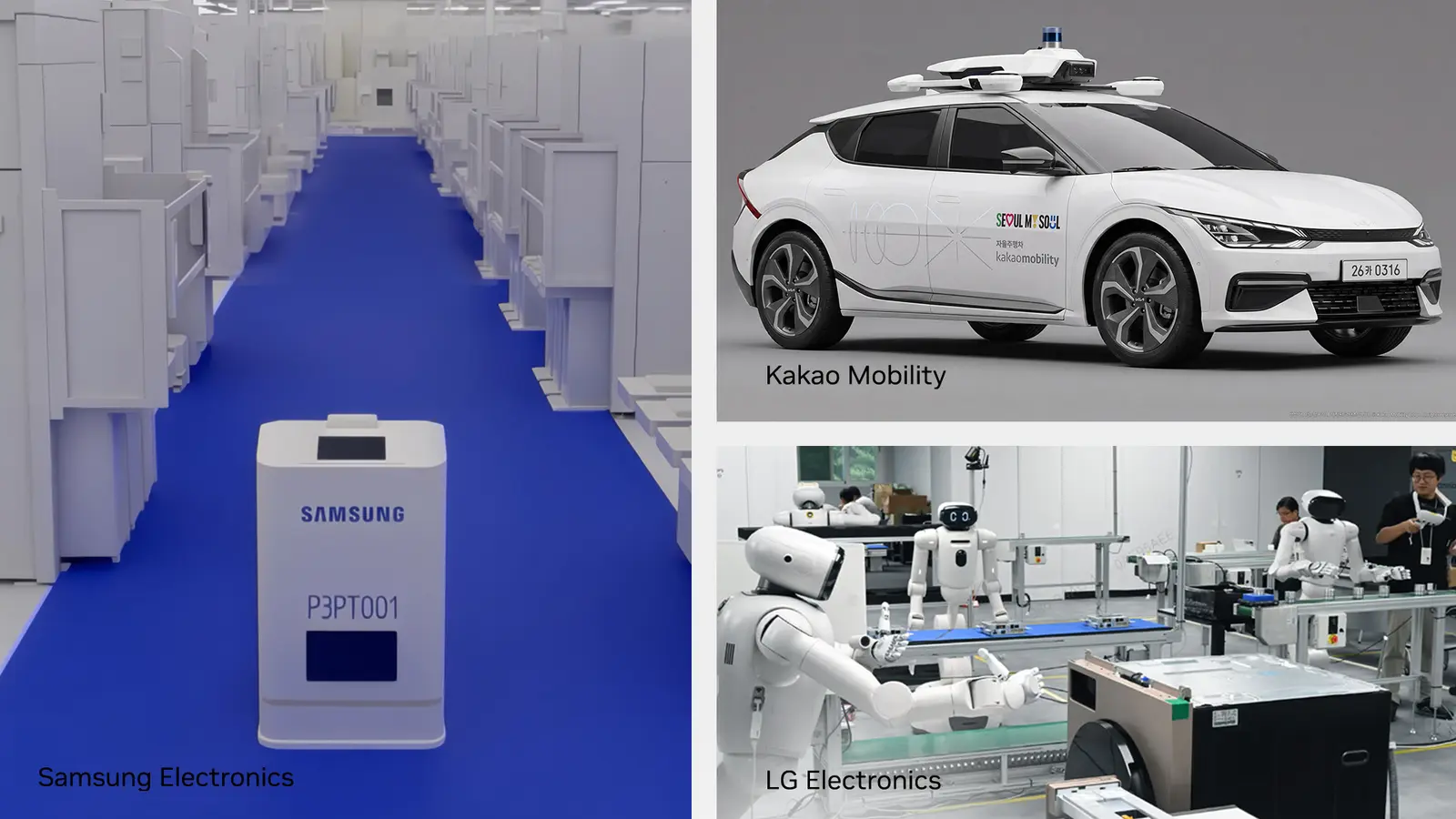
NVIDIA’s own blog says the company and MSIT are expanding cooperation across AI chips, data center infrastructure, talent, startups, models, agents and security. Korean NPU and XPU companies are invited to explore the NVLink Fusion ecosystem, and NVIDIA plans training and certification programs, hackathons and technical seminars.
Through the AI for All initiative, NVIDIA will also work with three selected consortia and four Korean foundation model builders, using NVIDIA Dynamo software to optimize and scale inference.
Prices and availability
No price is listed in the announcement, and no consumer product is involved. The only date given is the expected deployment readiness of R200 systems in 2028. Anyone who needs commercial terms should contact Rebellions, SK Telecom or NVIDIA directly.
Who it matters to
Data center and cloud planners. The plan shows one way a custom NPU can share a rack with NVIDIA GPUs, using a standard MGX design instead of a one-off build.
Chip startups. NVLink Fusion is presented as a way to reach NVIDIA’s AI factory platform without giving up a custom design.
Korean AI service builders. SK Telecom ties the hardware to its own models and the AI for All services.
Everyone else. There is nothing to buy or install. Treat this as a roadmap, not a product launch.
What is still unknown?
The release does not say how many racks SK Telecom plans to deploy, what the systems will cost, or how much of the work will run on NVIDIA GPUs versus Rebellions NPUs. Performance figures for the R200 were not published.
For the full wording, read the original release on the NVIDIA newsroom and the companion NVIDIA blog post about the wider Korea collaboration.