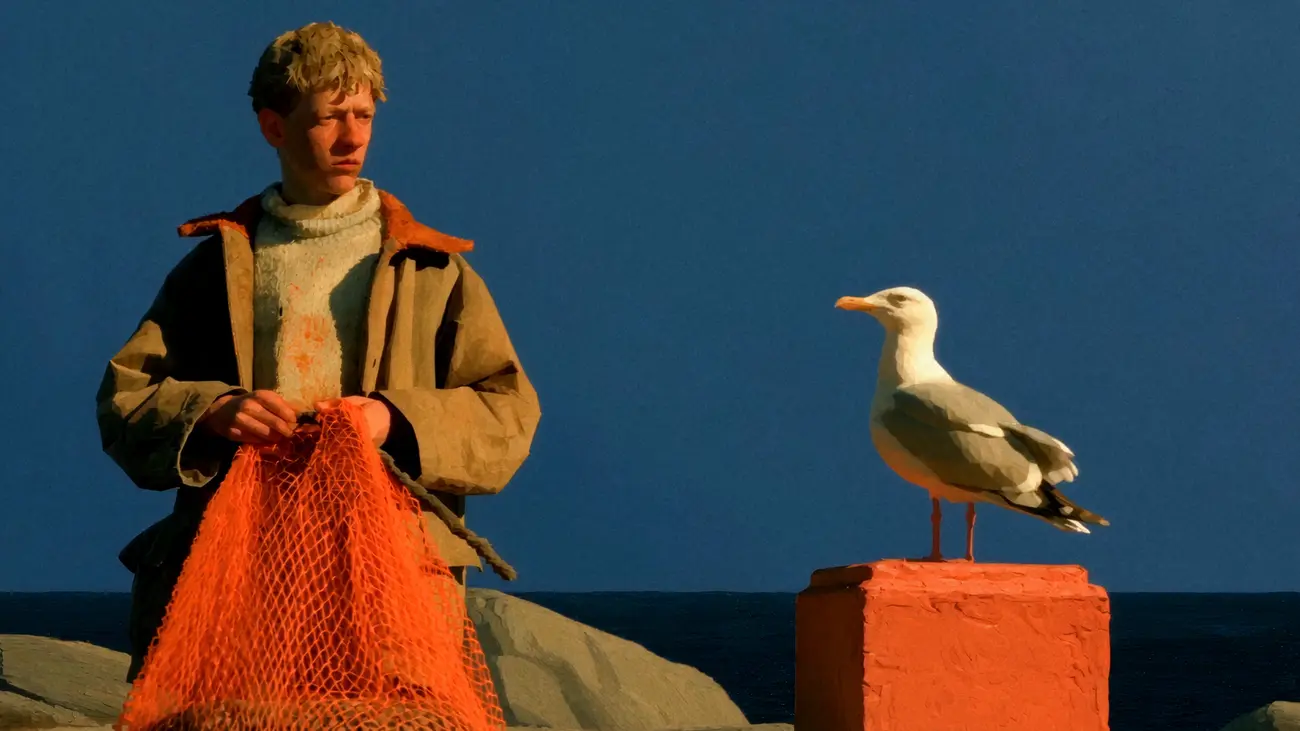
Google has published a showcase of what artists and musicians made in its Flow Sessions and Flow Music Sessions programs: nine visual projects built in Google Flow and six audio tools built in Flow Music. The post is dated November 19, 2026 and comes from Brianna Doyle, Head of Community at Google Labs. It is not a product launch and it lists no prices, but it shows what the tools produce in the hands of working creatives.
What are Flow Sessions?
Flow Sessions is a program where Google Labs works directly with creatives to hear what matters most to them. Google says that dialogue helps it build products that are tailored to their work.
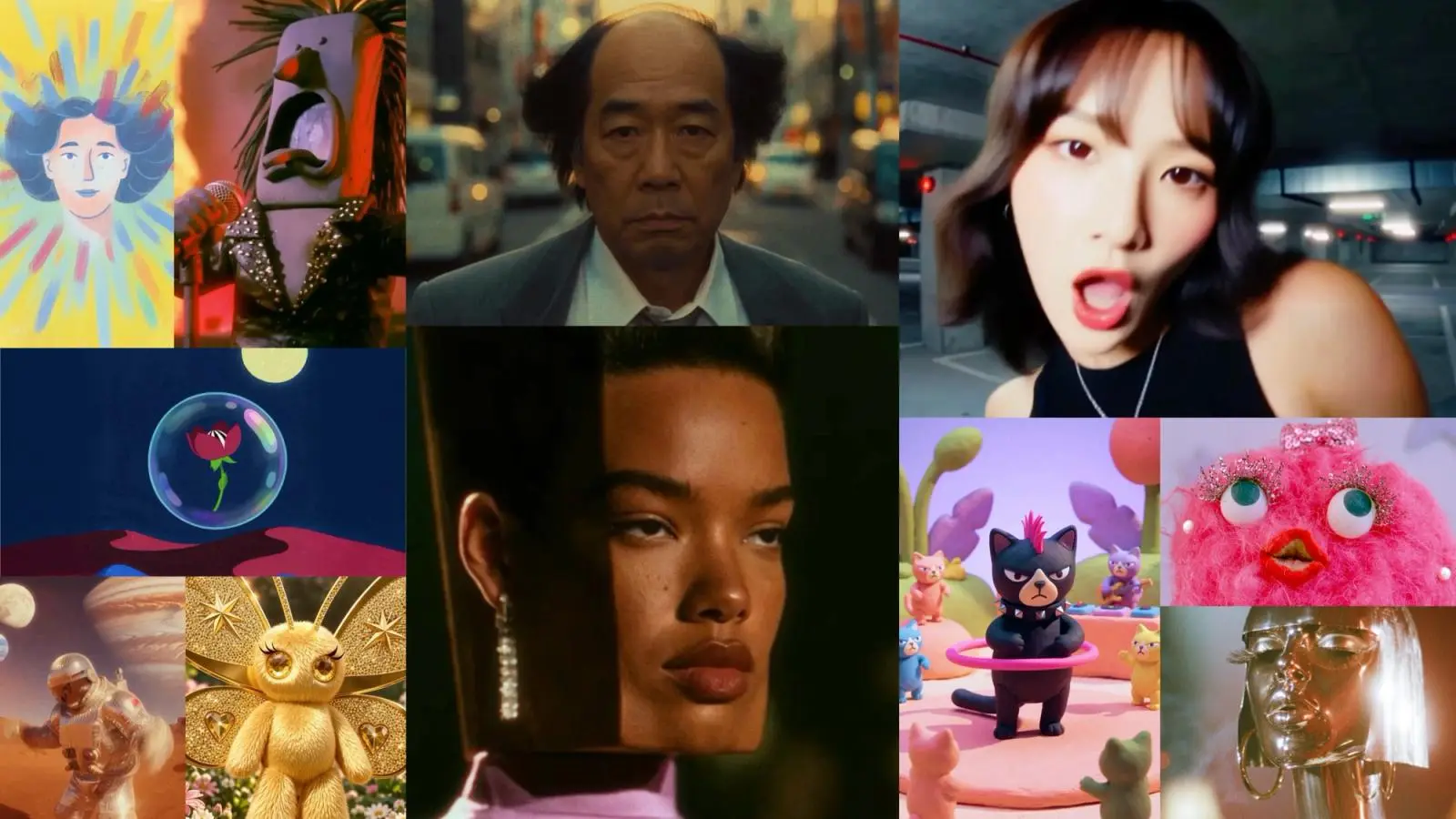
In the latest six-week round, artists used Google Flow, which Google describes as its AI creative studio. They developed visual projects ranging from a pitch for a television series to animated shorts and personal narratives. Google says they also tried new workflows to see how its latest models can support their own styles.
Which visual projects were shared?
Google named nine projects and their creators:
- “A Lucky Greyhound” by Matias Collado
- “Brood” by Siri Lee
- “Roger & The Chicken” by River Davis
- “UNFIXED” by Jeehyun Kim
- “MIA” by Daniel Castro
- “Reality Drop” by Johana Kroft
- “How to Crack an Egg” by Luke Roberts
- “Starling” by Ian Bradley
- “The Catch” by Nate Talbot
The post does not say which of these is the television pitch, which are the animated shorts and which are the personal narratives, so we will not guess. The finished work can be viewed on Google’s page.
What did Flow Music Sessions produce?
Musicians and producers took a similar approach, but they focused on Spaces, a feature inside Google Flow Music. According to Google, they used it to create bespoke audio tools, plugins, mini music apps, new instruments and digital artifacts that can be used in any creative workflow. The post shows six of them:
- Bloom Cycles: a vocal plugin that uses your webcam to shift your voice in real time based on hand gestures
- Track Arranger: a songwriting tool that turns short loops into a full song structure with verses, choruses and drops
- Mel’s Dreamscape Vocals: a bright, pop-focused vocal processor with pro presets and easy tuning tools
- Marble and Metal Visualisers: a 3D interactive visualizer whose graphics react to live audio or uploaded music
- Tune Sampler: a vintage-style console plugin inspired by 90s hip-hop gear, meant to add analog warmth
- Mirage Sampler: a software instrument where you drag and drop audio samples to turn them into new textures and instruments
Readers are invited to try remixing these Spaces to see how the approach could fit their own work.
Can Spaces plug into a studio setup?
An earlier Google post, dated October 6, 2026, says producers can export a custom Space as a VST3 or AU plugin and run it inside a digital audio workstation. Google says users describe what they want in natural language and need no coding experience.
Music Business Worldwide reported that Flow Music runs on Google DeepMind’s Lyria 3 Pro music model and that its output carries Google’s SynthID watermark. The outlet also noted that the platform behind Flow Music was acquired by Google in February 2026 and renamed in April 2026.
How much does it cost?
None of the sources list a price, a free tier or regional availability for Flow, Flow Music or Spaces. System requirements and supported audio workstations are not stated either, so check Google’s pages before planning a project around them.
Who does it suit?
Visual artists and filmmakers can use the nine projects as a sample of what Flow can do for pitches and short animation. Producers and songwriters who want a custom vocal effect, sampler or arranging tool can treat the Spaces as examples of what the feature can build. Anyone who needs a settled, fully documented product should wait, since these are artist experiments from a testing program.
What is still unknown?
Google does not say how long each project took, how much editing happened outside Flow, or how other users rated the Spaces. It gives no date for Flow Music Sessions either and only asks readers to follow for updates. Those interested in joining Flow Sessions can use the link in Google’s post, and the full set of projects and Spaces is on the original page.