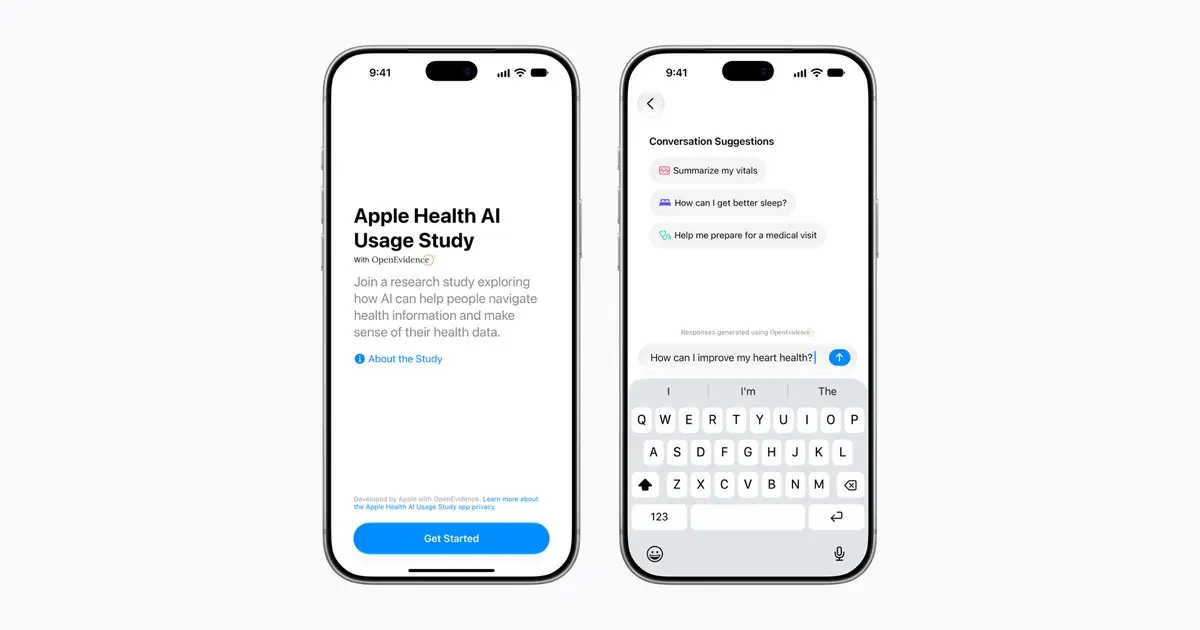
Apple has opened a research study in the United States that lets iPhone owners ask a health AI chatbot everyday questions and see the medical sources behind every answer. It is called the Apple Health AI Usage Study, and it runs through a dedicated app, not through Siri or Apple Intelligence.
Apple says the goal is to learn what makes people trust health AI, how clear the answers are, and what people actually do afterwards. It plans to enrol up to 200,000 participants and to share what it learns with the wider industry.
What is the Apple Health AI Usage Study?
It is a virtual research study with its own study app, built by Apple together with OpenEvidence, a clinical AI platform widely used by healthcare professionals. Apple says OpenEvidence draws its answers from established medical sources such as The New England Journal of Medicine, the Journal of the American Medical Association and Nature.
- Participants ask everyday health questions in plain language, for example how to improve heart health.
- Answers come with linked, peer-reviewed clinical citations, so readers can check where a claim comes from.
- Participants can rate the responses, according to Engadget.
- The study also looks at whether health AI can help people prepare for visits with their own doctors.
Apple describes the app as a research tool, not a medical product. It is not meant to diagnose or treat any condition or to replace a medical professional.
What health data can the app use?
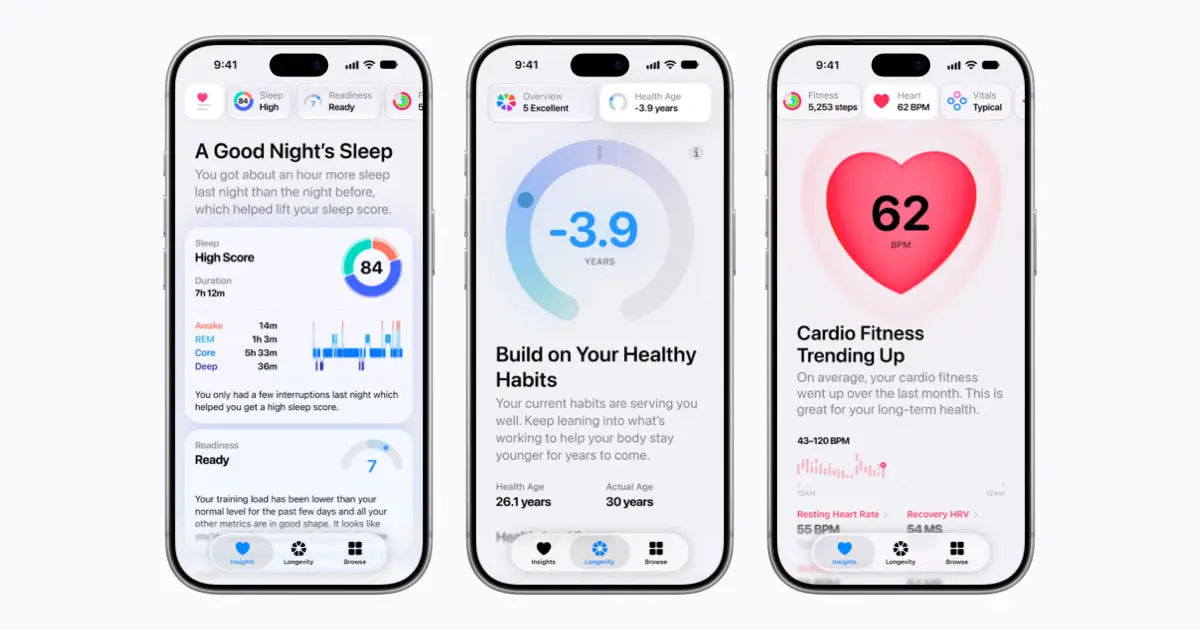
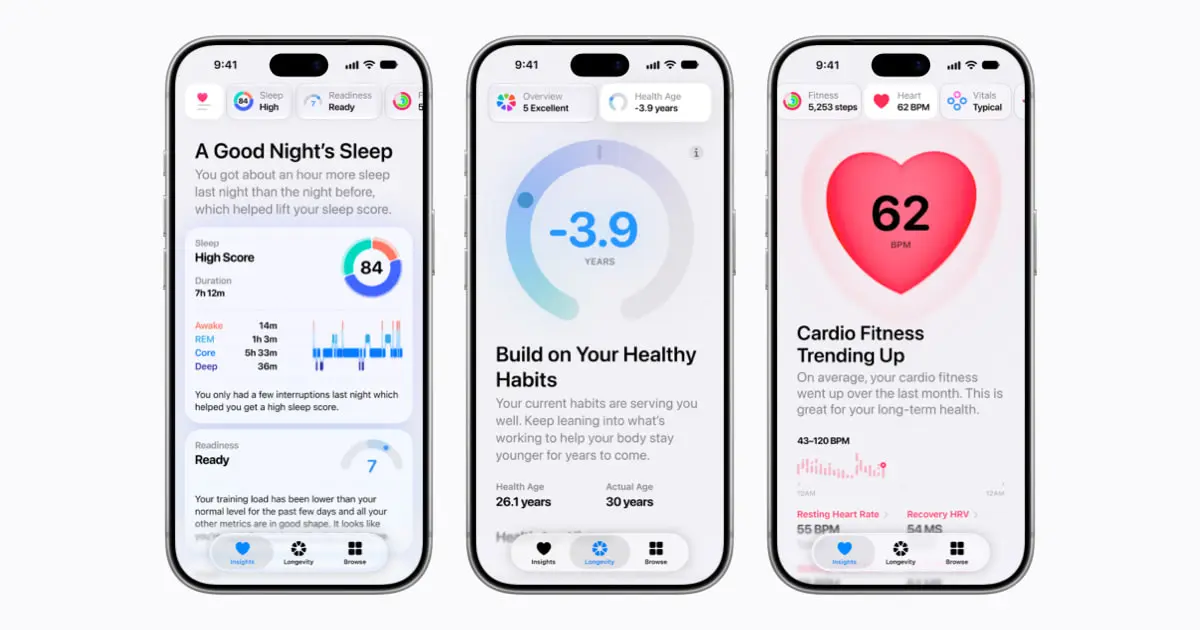
Sharing is optional. Participants can choose to share HealthKit data types such as resting heart rate, activity, sleep or lab results, so the study can see how personal data changes the relevance and clarity of an answer. They keep control over whether to share any HealthKit metrics or survey responses.
Apple says the study was designed with privacy protections, transparency and clinical guardrails, and that study data will not be used to train AI models. Engadget adds that the app is not connected to Siri or Apple Intelligence. The app also has safety guardrails meant to detect certain concerning questions and suggest that a participant follow up with a provider or other resources.
Who can join?
Apple lists these requirements:
- Living in the United States.
- Age 21 or older.
- An Apple Intelligence-enabled iPhone, meaning iPhone 15 Pro or later.
- iOS 26 or later.
Enrolment is open to up to 200,000 eligible participants. To take part, download the study app, read about the study and choose to enrol.
What do Apple and its partners say?
Sumbul Desai, M.D., Apple’s vice president of Health and Fitness, said that conducting a dedicated research study is “the most thoughtful way” to understand how people engage with, understand and judge health AI in everyday life.
Robert M. Wachter, M.D., professor and chair of the Department of Medicine at UCSF, said patients and clinicians are both turning to AI but with tools built and tested separately. In his view, connecting those tools and studying what works is how patients arrive prepared and conversations improve.
Apple also acknowledges the weak point of the technology: consumer health tools powered by large language models can give answers that are incomplete or unclear. That is the gap the study is meant to measure.
Prices
The study app is a research programme, and the sources list no price and no payment for taking part. Availability is limited to the United States. No other country or currency is named.
Who it suits
Curious iPhone owners in the United States. If you already ask chatbots about symptoms, sleep or fitness and would like answers that point to published research, the study offers a more structured way to do it, as long as your phone meets the requirements.
People who want to understand their own data. Those who track resting heart rate, sleep or lab results in the Health app can choose to share them and see how the answers change. Sharing is a choice, not a condition of joining.
Patients preparing for a doctor visit. Apple says it will explore whether the tool helps people get ready for appointments. It is meant to support that conversation, not to replace the clinician.
Anyone outside the United States or on an older iPhone. The study is not open to you for now. Nothing in the sources suggests a wider rollout, so there is nothing to act on yet.
What is still unknown?
Apple has not said how long the study will run, when results will be published or whether the work will lead to a health AI feature inside iOS. It also has not said whether other countries or older devices will be added. The next step for interested readers is the study app listing itself, which carries the full enrolment details and the consent information.