Google Home now lets Android users unlock a compatible front door with a tap, and Nest thermostat owners in the U.S. and Canada get a savings estimate starting in December. Google announced the November batch of updates on November 17, 2026, covering locks, cameras, thermostats and the Gemini for Home assistant.
Here is what each change means, and what the sources say about who gets it.
How do digital door keys work in Google Home?
Android users can unlock compatible front doors with a quick tap or a hands-free approach, using digital home keys in Google Wallet, according to Google.
9to5Google adds the conditions: the lock must support NFC or UWB (Aliro), and the feature works on newer Pixel phones and select Samsung Galaxy phones. The outlet says the feature was announced the week before. Google’s post does not list lock brands or countries, so check your lock’s maker before expecting it to work.
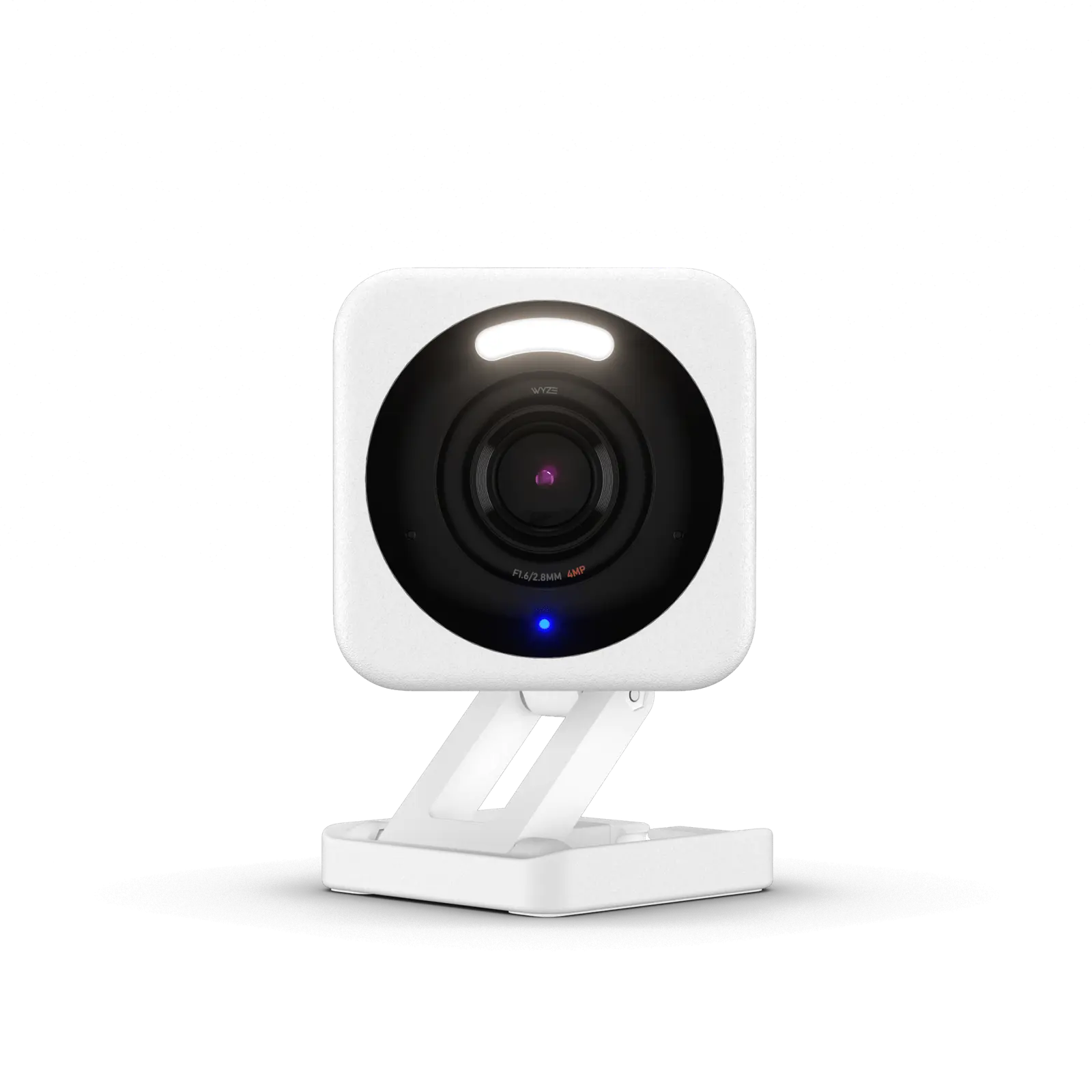
What is new in camera and doorbell alerts?
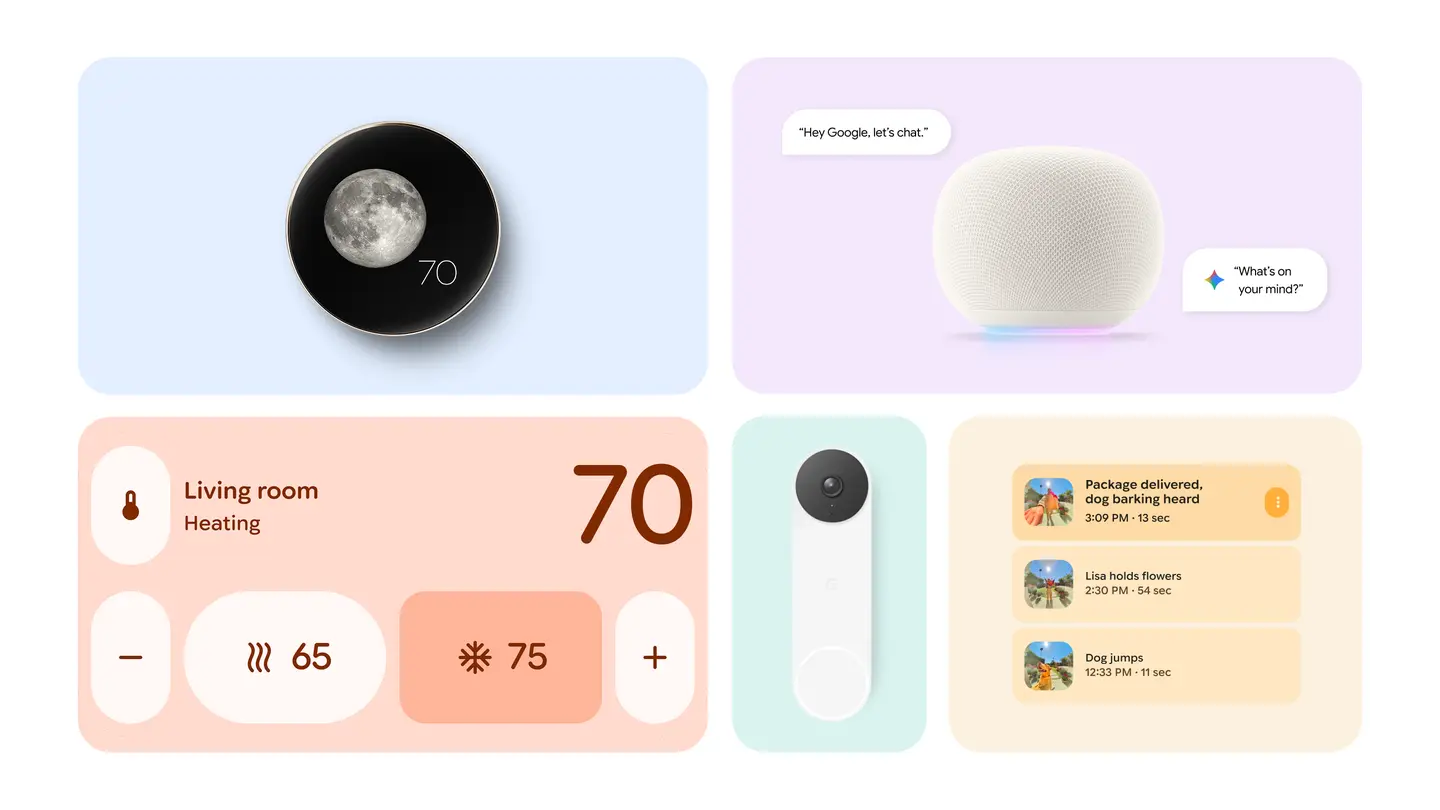
Google Home Premium Advanced now detects audio, such as barking dogs or breaking glass, and adds it to the event descriptions for motion-triggered camera and doorbell alerts. Google frames this as added peace of mind, since a description can say more than “motion detected.”
9to5Google lists several smaller camera changes:
- Activity Zone boundaries are more precise on the newest wired cameras, which should cut false alerts from passing cars, animals and motion just outside a zone.
- The camera settings page is redesigned with Activity Zones at the top.
- On iOS, the app asks for confirmation when you leave an edited zone, so custom boundaries are not lost by accident.
- On the Google Home website, the left and right arrow keys skip video back or forward by 5 seconds, with faster jumps of 30 seconds or more.
What changes for Nest thermostats?
Starting in December, Nest thermostat owners in the U.S. and Canada can check the app for estimated cumulative savings, according to Google. 9to5Google says the figure appears in the Climate space, the thermostat controller and the Favorites widget. Android Pure notes it is Google’s estimate rather than a utility bill figure, and that actual savings depend on energy rates, the home and schedule settings.
Owners of the 4th-gen Nest Learning Thermostat can also balance hot and cold spots using compatible third-party room sensors. 9to5Google names IKEA, Eve and Aqara as compatible brands and notes that Google’s own sensor costs $40.
For the latest Nest Learning Thermostat, 9to5Google reports new Dynamic Farsight faces, including seasonal animations on the Temperature face and a new Lunar face that tracks moon phases.
What is new in Gemini for Home?
Google says Gemini for Home now handles everyday requests up to 20% faster. It is also expanding to six new countries, including India and Brazil. 9to5Google lists all six as India, Taiwan, Singapore, Colombia, South Korea and Brazil, with the rollout starting next month, which is December.
Prices
Google’s post gives no prices for these updates. It does not say what Google Home Premium Advanced costs, and neither do the sources used here. The only price in the coverage is the $40 for Google’s own room sensor, as 9to5Google states it, with no country or currency given. Third-party sensor prices are not listed.
Who it suits
Android owners with a smart lock. If your front door lock supports NFC or UWB (Aliro) and you carry a newer Pixel or a select Samsung Galaxy phone, digital home keys can replace the key or the code. If your lock or phone is not on that list, this one is not for you yet.
Households with cameras and doorbells. Audio cues in alerts matter most when you glance at a notification and decide whether to act. This depends on Google Home Premium Advanced, so check your plan first.
Nest thermostat owners trying to cut heating or cooling bills. The savings view gives a running estimate, which is helpful for tracking, though Android Pure reminds readers it is an estimate. The room sensor support suits homes with uneven rooms, with the 4th-gen Nest Learning Thermostat required.
People waiting for Gemini for Home in their country. If you live in one of the six named countries, December is the month to watch.
What is still unknown?
Google has not said which lock brands work with the home keys, what Premium Advanced costs, or which Nest thermostat models show the savings estimate. It also has not given exact dates inside December, or the local languages and devices for the new Gemini for Home countries. Google points readers to the Nest Community for the full list of updates.
What should you do next?
Open the Google Home app after December begins and look for the savings view on your thermostat. To check lock compatibility, read your lock maker’s support page, and for the full details read Google’s post on The Keyword blog or the Nest Community.