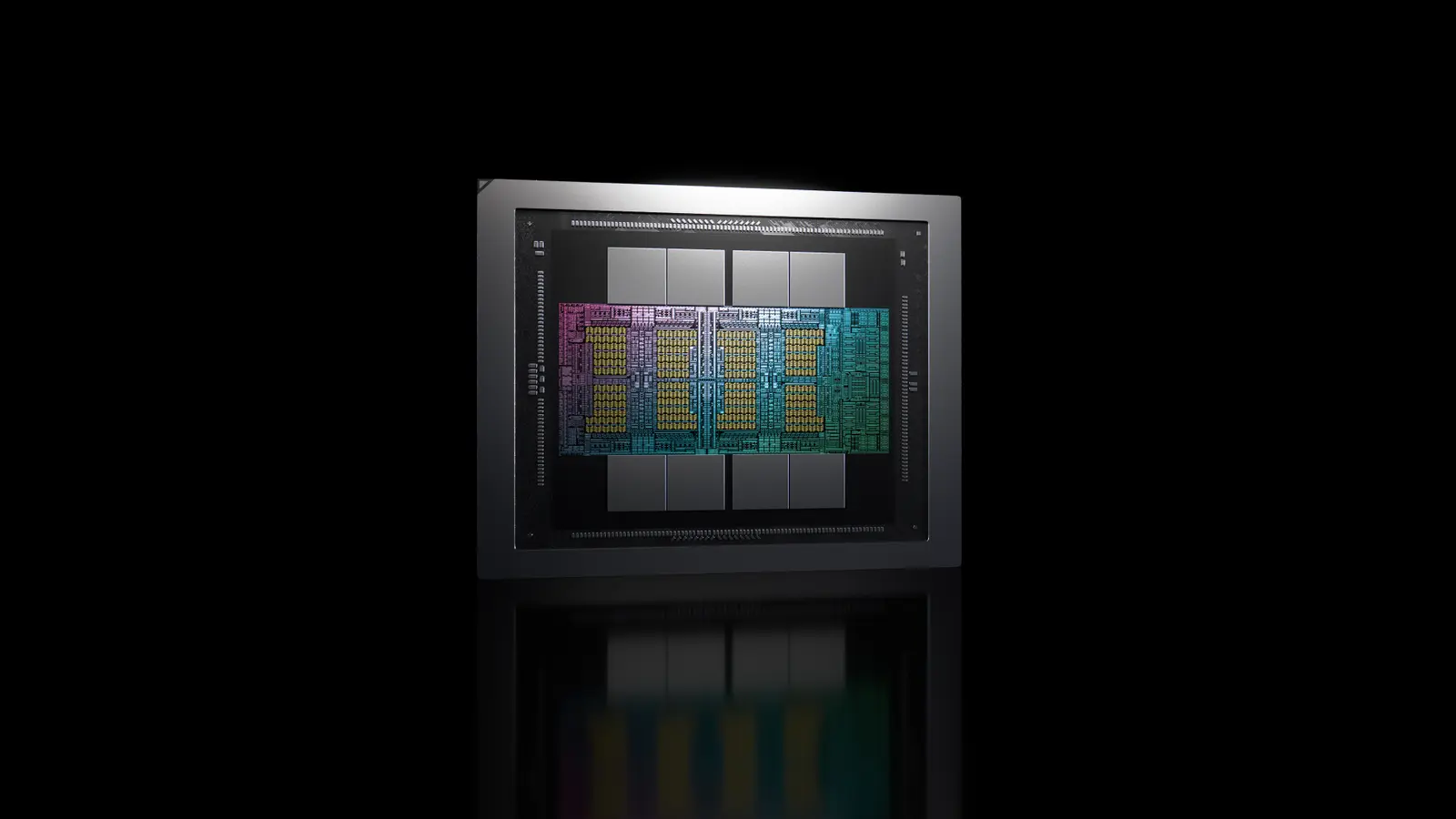
NVIDIA Rubin HPC, a new GPU built for simulation and data processing, packs more than 50,000 CUDA cores on a single chip and is expected to be available in 2028. NVIDIA announced it on November 16, 2026 at SC26, the supercomputing conference taking place this week in Chicago.
It is part of the NVIDIA Vera Rubin platform and is aimed at science, engineering and analytics teams whose agents run large numbers of simulations to test ideas. NVIDIA published no price, no memory size and no performance figures in the announcement, so this is a first look at the design rather than a spec sheet.
What is Rubin HPC?
Rubin HPC is a GPU in the NVIDIA Vera Rubin platform designed to speed up simulation and data processing. NVIDIA describes three headline features:
- A record number of CUDA cores, more than 50,000 on a single GPU
- A sparse data acceleration capability that keeps those cores supplied with data
- Seventh-generation NVIDIA NVLink interconnect technology for faster GPU-to-GPU connectivity
The sparse data feature matters because of how many scientific programs behave. According to NVIDIA, applications in climate modeling, engineering simulation, genomic analysis and financial risk reach into a huge dataset, gather a handful of scattered values, calculate a result and repeat that at enormous scale. A GPU that only adds compute can end up waiting for data.
Why does NVIDIA call it a balanced design?
NVIDIA says Rubin HPC scales data movement and compute together instead of increasing compute alone. The company argues that this keeps the cores computing rather than idle.
It points to recurring patterns that show up in many simulation workloads, from sparse matrix operations to stencil computations to sorting and reductions. Because those patterns also appear across data analytics, science and engineering, NVIDIA calls Rubin HPC a purpose-built GPU with broad acceleration.
NVIDIA also ties the chip to its CUDA-X libraries, a growing set of optimized implementations of complex algorithms that agents can call, including those most relevant to simulation and analytics.
What does it mean for agents and researchers?
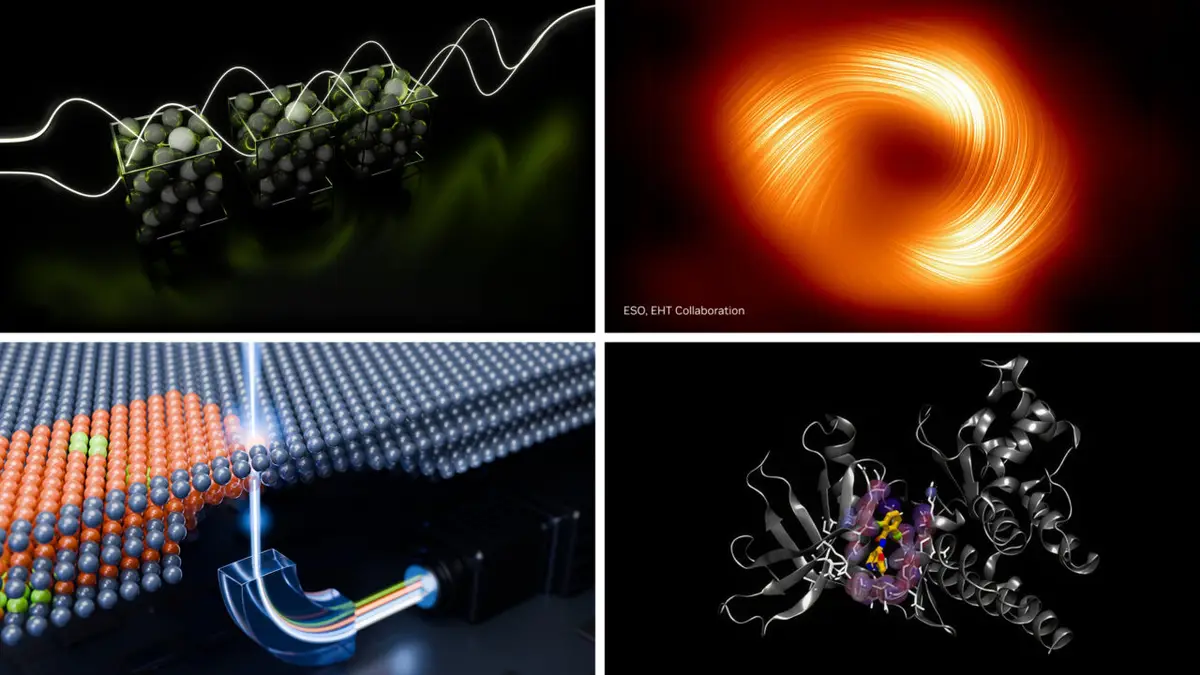
The pitch is a shorter loop. When an agent proposes a material, molecule or design, a simulation tests it, and the result guides the next step. Faster simulations mean faster feedback, which NVIDIA says helps researchers and engineers choose next steps sooner and point lab work at the most promising candidates.
“For agents tackling science and engineering, faster simulation means faster discovery,” said Ian Buck, vice president of hyperscale and high-performance computing at NVIDIA.
How does this fit with the Vera Rubin supercomputers announced earlier?
Rubin HPC is a separate GPU announcement. In June 2026, at ISC High Performance 2026, NVIDIA said Vera Rubin supercomputing systems would deliver more than 7 exaflops of AI for science and 5 petaflops of native FP64 performance, with up to 144 GPUs per rack. It also said Vera Rubin NVL4 based systems were expected from manufacturers including Bull, Dell Technologies, GIGABYTE, HPE and Supermicro in Q4 2026. Those figures describe the earlier systems, not Rubin HPC.
Prices
NVIDIA lists no price for Rubin HPC, and gives no country-by-country availability. The only timing in the announcement is that Rubin HPC is expected to be available in 2028. Pricing will most likely come through system makers and supercomputing sites, so there is nothing for individual buyers to check yet.
Who it suits
National labs and university computing centers. Teams that run climate, materials and engineering simulations on shared systems are the audience for a GPU tuned to move data as fast as it computes.
Engineering teams using agents. If your workflow has an agent proposing designs and a simulation checking them, the time per simulation sets how many ideas you can try in a day.
Analytics and finance groups. NVIDIA names genomic analysis and financial risk next to climate models as workloads with the same shape: scattered reads from a very large dataset.
Who should wait. Anyone planning a purchase in the next couple of years. With availability expected in 2028 and no specifications beyond the core count, there is little to compare against what is already on sale.
What is still unknown?
NVIDIA has not published memory capacity, bandwidth, power draw, floating point performance or pricing for Rubin HPC. It also has not said which system makers or cloud providers will offer it.
To follow the details as they appear, read NVIDIA’s Rubin HPC post and the CUDA-X announcements from SC26.